How Vacuum Excavation Enhances Safety On Construction Sites

Tyzac Vacuum Excavation • November 25, 2025

Excavation work comes with serious risks. A single misstep can rupture a gas main, slice through power lines, or destabilise soil—creating hazards for workers and costly delays. Traditional digging methods, such as those using backhoes, rely on force and guesswork, which leaves too much room for error.


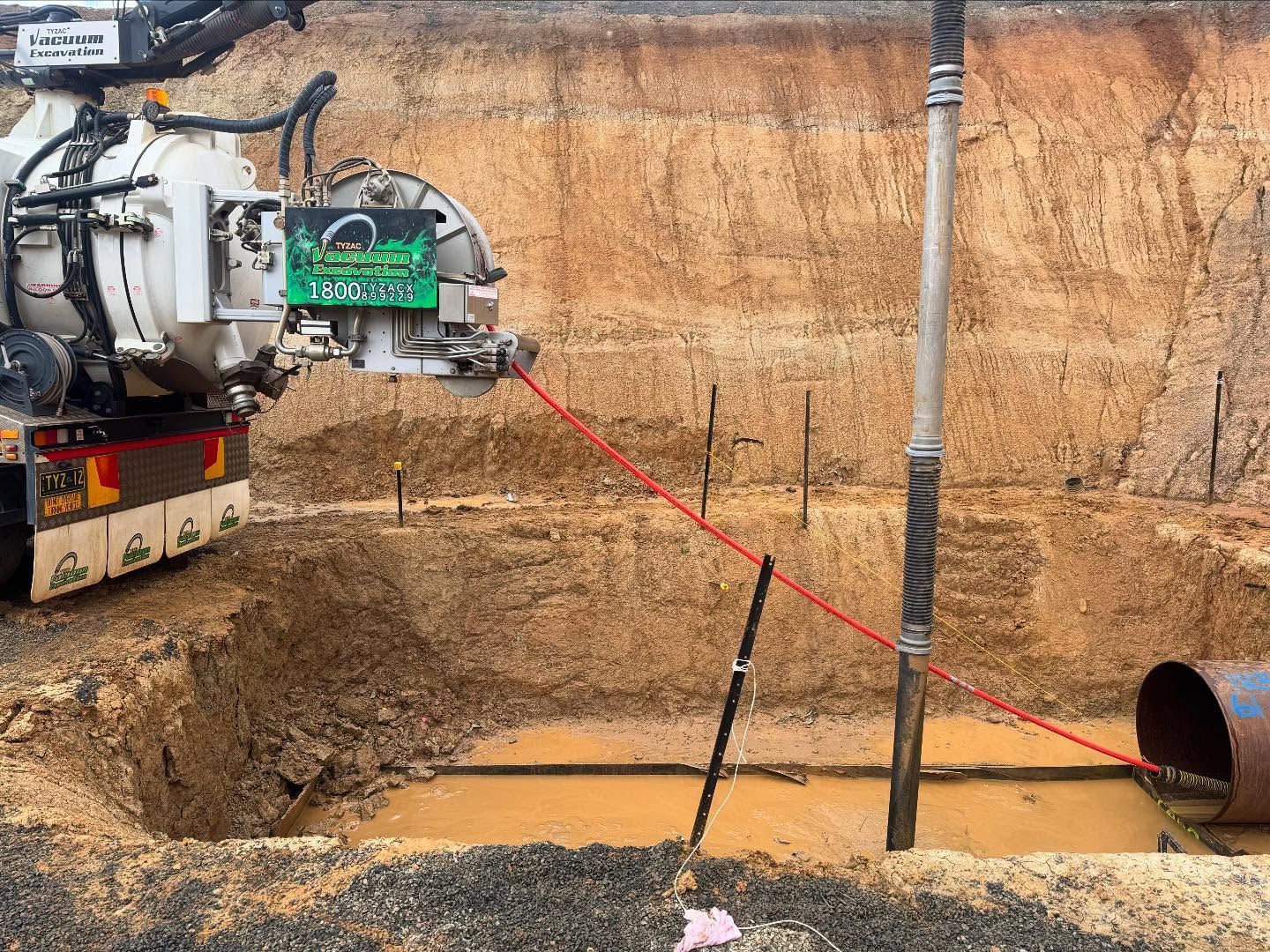
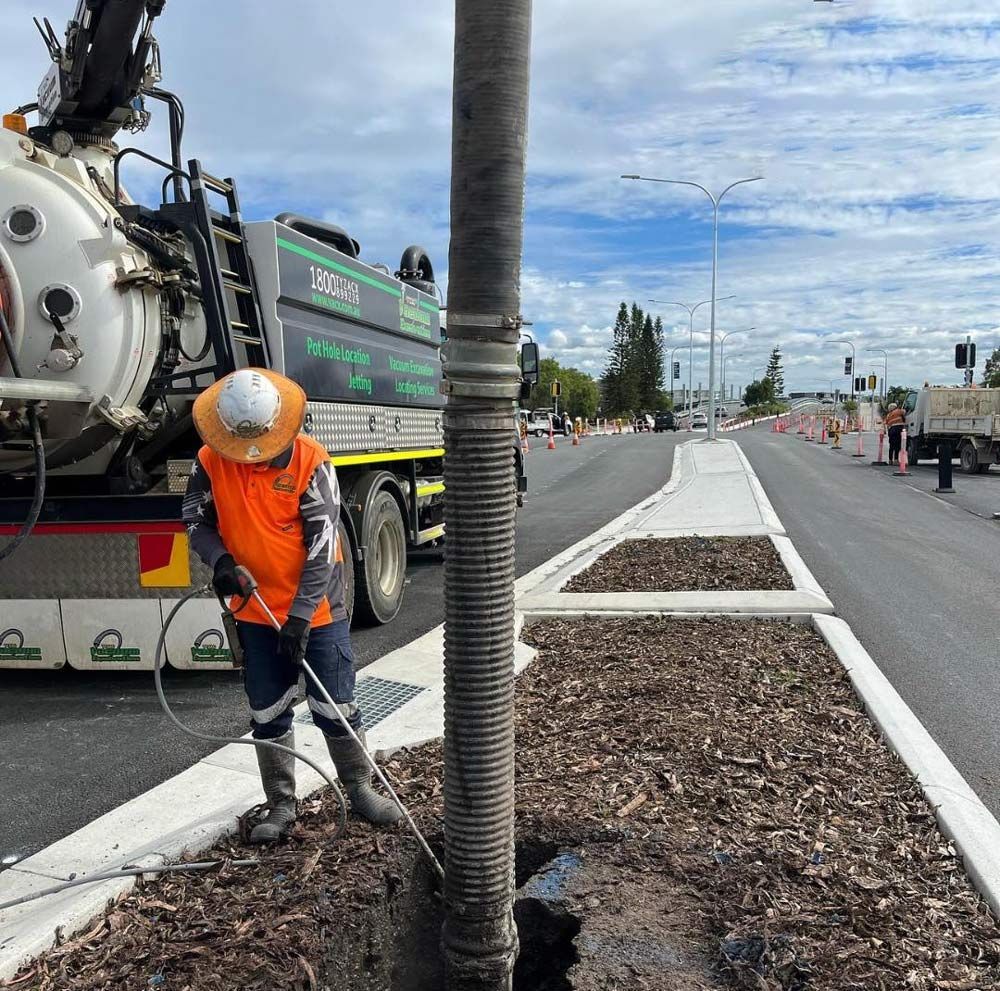
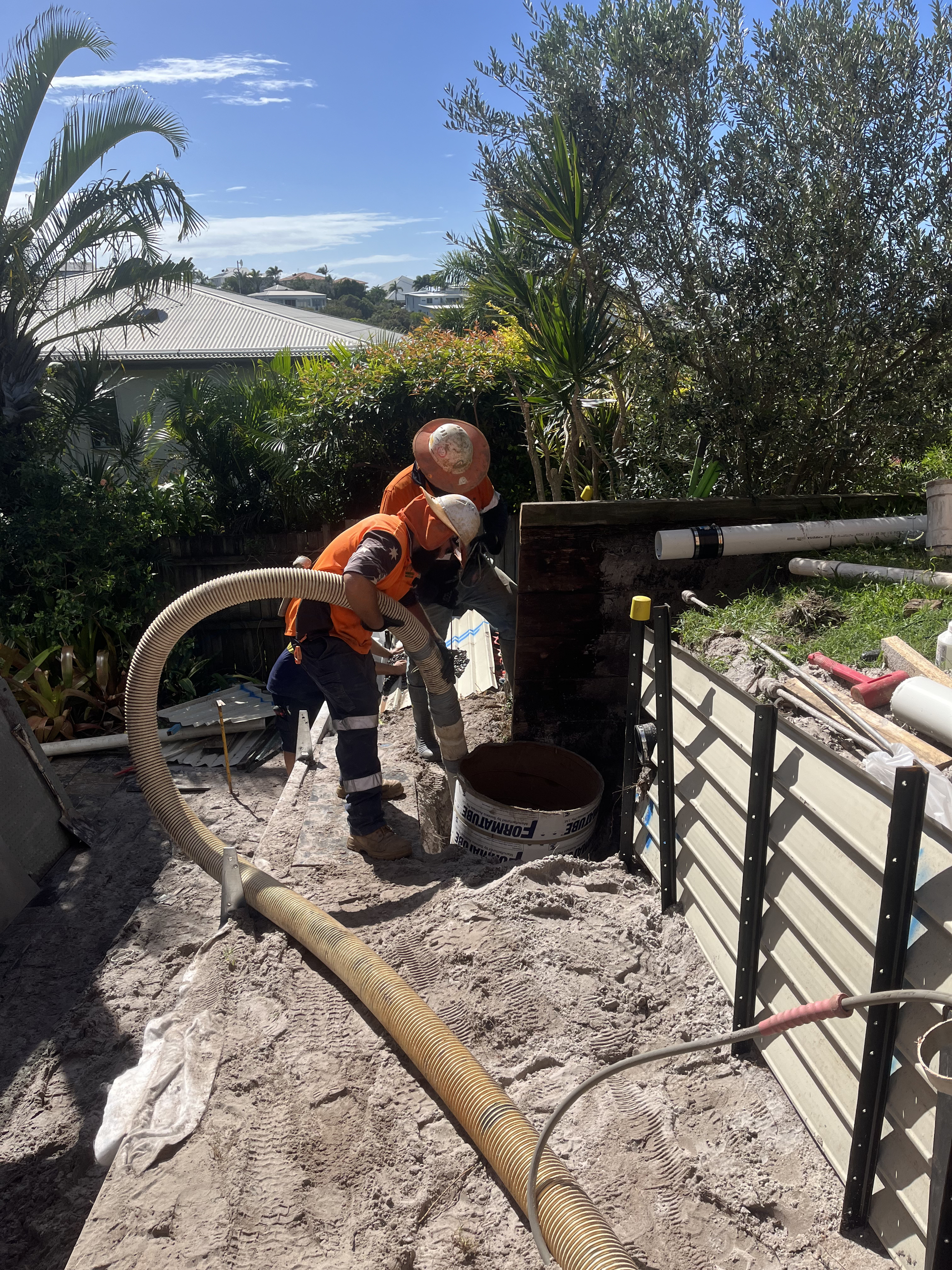
Vacuum excavation offers a safer alternative. This non-destructive method utilises high-pressure air or water to loosen the soil, which is then removed using a vacuum system. It’s precise, controlled, and reduces the chance of damaging underground services.

More contractors are turning to vacuum excavation to avoid utility strikes, minimise ground disturbance, and keep workers out of harm's way. For site managers, civil crews, and safety officers, it’s a smart move toward safer, more efficient excavation.


Here’s how vacuum excavation protects your team and your site.

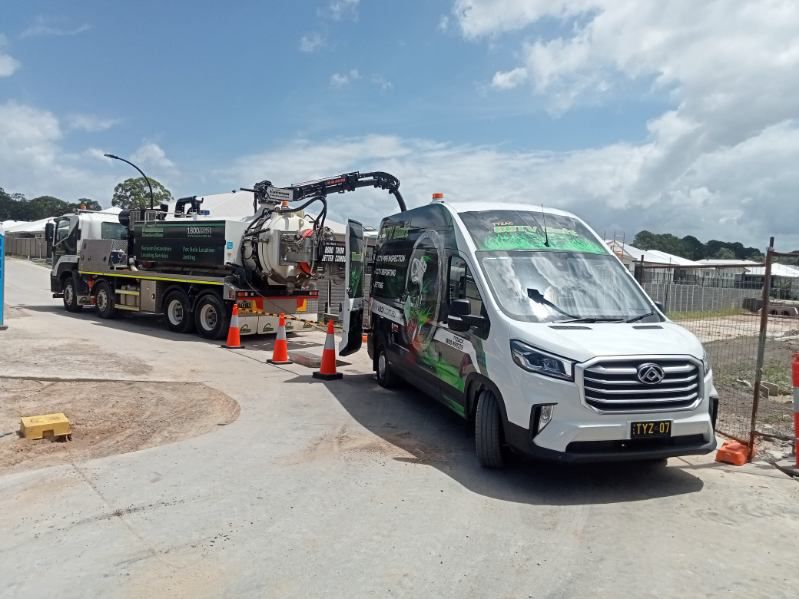
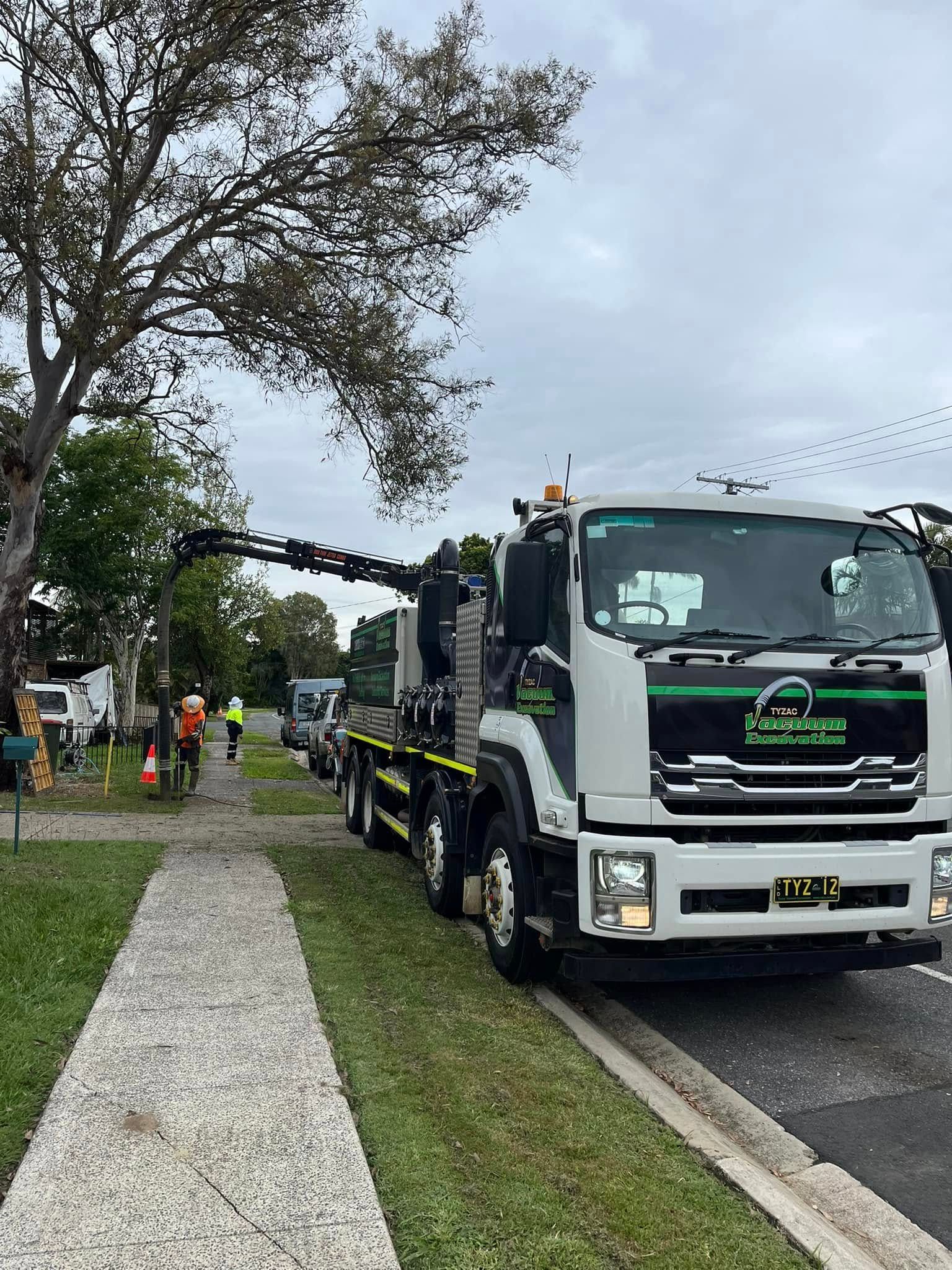
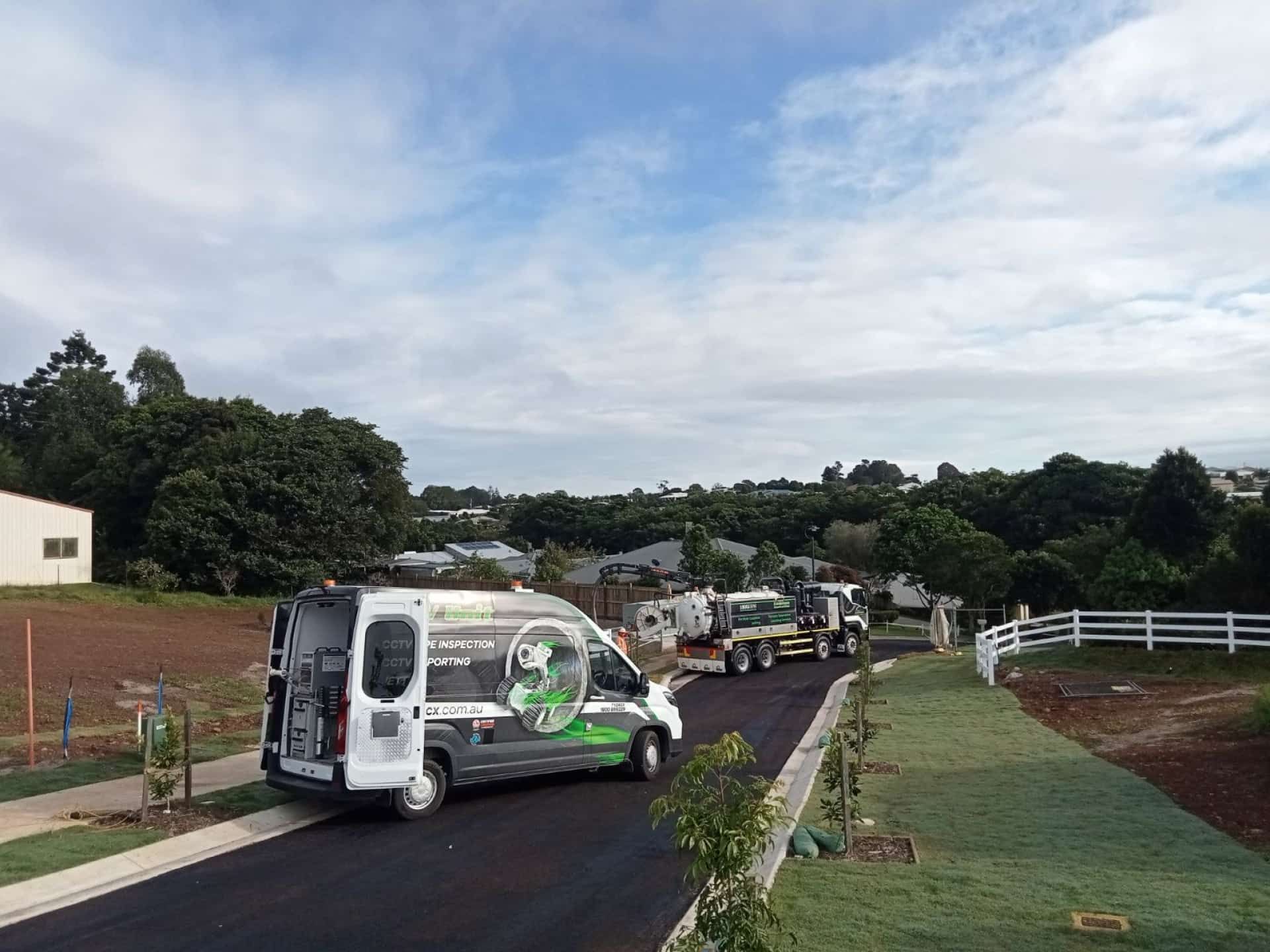
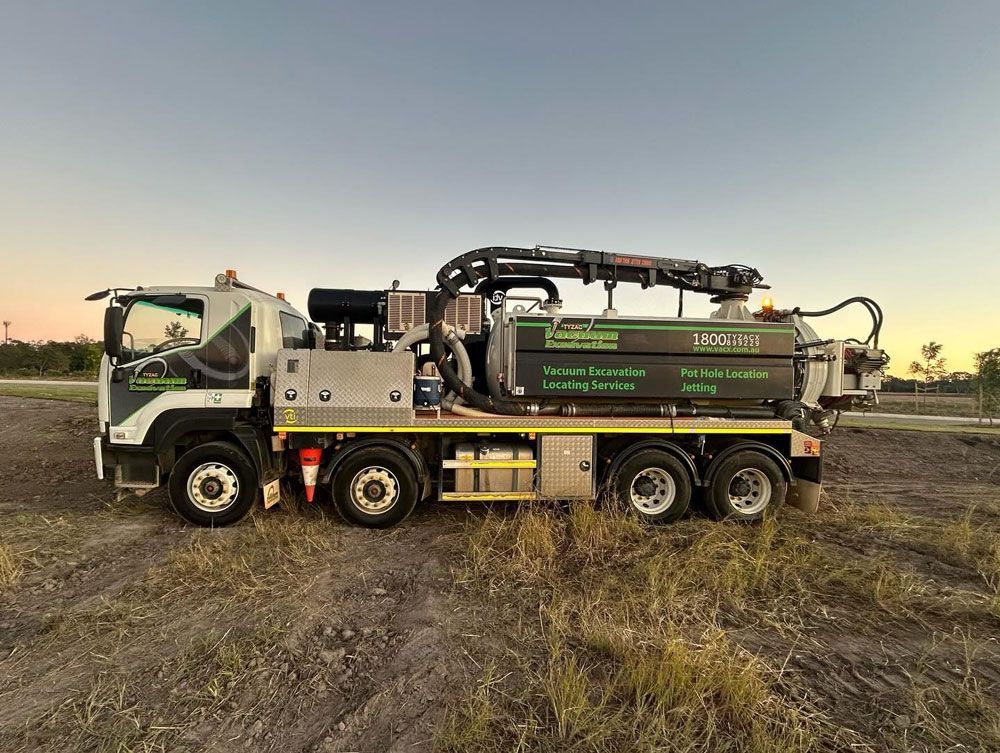
Large Industrial Truck Doing Vacuum Excavation

Preventing Utility Strikes with Precision Digging

Traditional mechanical digging can easily damage buried infrastructure. Vacuum excavation, by contrast, allows crews to uncover services like gas, water, or electrical lines without direct contact.


  • The process targets specific areas, reducing the risk of accidental strikes.
  • Crews can safely expose utilities before any mechanical equipment is used.
  • This technique is particularly useful in areas with complex or undocumented underground networks.


With more accurate location and exposure of buried services, the chance of causing serious disruption or injury drops significantly.

Minimising Ground Disturbance in Built-Up Sites

In urban construction zones, every square metre matters. Mechanical excavation often leaves a large footprint, damaging pavements, gardens, and landscaping. Vacuum excavation keeps things tighter and tidier.


  • It removes only the necessary amount of soil, leaving surrounding structures and features untouched.
  • Tree roots and underground infrastructure are less likely to be disturbed or harmed.
  • There's far less spoil, reducing the need for clean-up or traffic disruptions.


This method is ideal for sensitive environments, from CBD footpaths to residential front yards, where minimising impact is crucial.

Keeping Workers Safe from Underground Hazards

Digging around live services isn't just a risk to infrastructure—it's a serious threat to worker safety. Vacuum excavation creates distance between people and danger.


  • Operators use remote hoses and booms, reducing the need for manual digging near hazards.
  • The risk of trench collapse is lower, as shallower, more controlled excavations are the norm.
  • Fewer workers are needed in the trench zone, cutting exposure to high-risk conditions.


By minimising human contact during excavation, teams work more safely and confidently around potentially hazardous assets.

Meeting Safety Compliance & Site Regulations

Construction and civil projects are tightly regulated for a reason. When excavation is involved, regulators expect to see risk mitigation measures in place. Vacuum excavation fits naturally within those frameworks.


  • It supports Duty of Care obligations under work health and safety legislation.
  • Many guidelines and industry codes now recommend or require non-destructive digging around known services.
  • Incorporating vacuum excavation in site safety plans shows proactive risk management.


Compliance isn’t just about avoiding fines—it’s about demonstrating that safety comes first on your site.

Reducing Traffic Disruption on Active Roadways

Roadside works are among the most hazardous and disruptive projects in the construction industry. Vacuum excavation can make these jobs quicker and safer for everyone involved.


  • Smaller excavation zones reduce the area taken up by traffic control setups.
  • The compact nature of the equipment means less obstruction on footpaths or road lanes.
  • Clean, slip-free sites reduce the risk of trips and slips for both workers and the public.


Fewer road closures, reduced vehicle-pedestrian conflict, and safer work zones are good news for crews and commuters alike.

Improving Visibility & Control in Excavation Work

One of the biggest risks in excavation is not knowing exactly what’s below the surface. In many areas, underground service maps are outdated, incomplete, or simply unavailable. That uncertainty can lead to accidental damage, costly delays, or serious safety incidents. Vacuum excavation changes the game by giving operators far more control and visibility throughout the digging process.


  • Operators can pause and assess the dig in real time as they uncover utilities.
  • There’s no risk of over-digging, as the soil is removed gradually and precisely.
  • If conditions change mid-job, the process is easily adaptable without further disruption.


This level of visibility not only prevents mistakes but also boosts crew confidence in complex dig environments.

Handling Contaminated or Hazardous Soils Safely

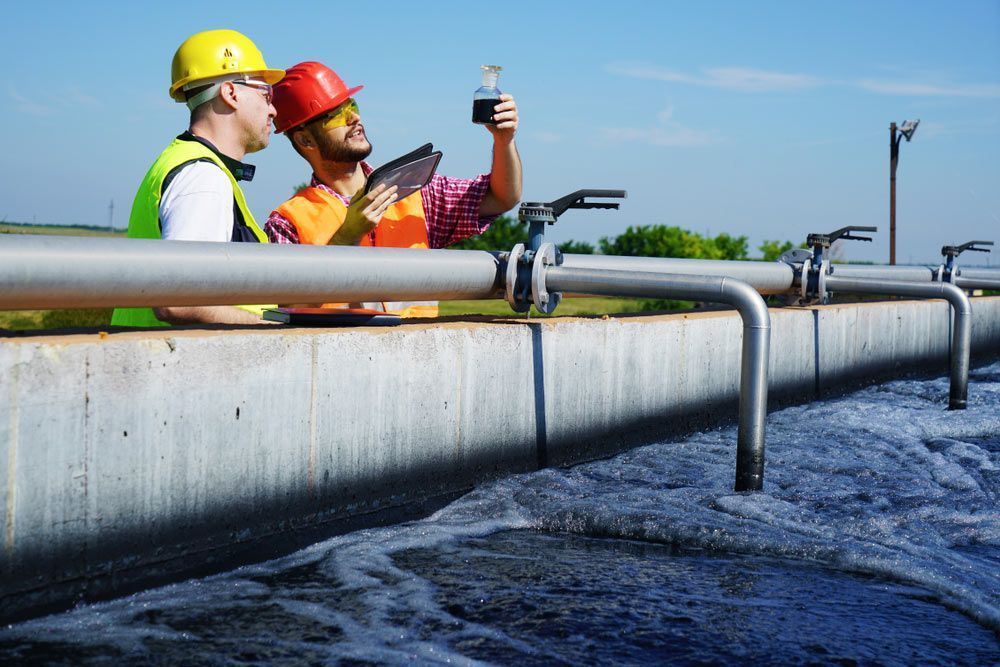
Dig sites don’t always offer clean conditions. Contaminated soils or hazardous materials, such as asbestos, pose a significant risk to both workers and the environment. Vacuum excavation contains the problem—literally.


  • Spoil is collected into sealed tanks, rather than being piled on-site.
  • Less soil disturbance reduces airborne dust and contaminant spread.
  • Workers stay further from the source, limiting direct exposure.


Whether it’s an old fuel depot, industrial site, or infrastructure upgrade near known hazards, vacuum excavation ensures better environmental and personal safety protocols.

Supporting Emergency Response & Repairs

When a service line is damaged or a failure occurs underground, time and safety are both critical. Vacuum excavation steps up when speed and precision are needed most.


  • It allows rapid mobilisation to exposed utilities without causing secondary damage.
  • Emergency crews can work safely around broken pipes or lines without risking further collapse.
  • The process is especially effective in wet or unstable ground, where mechanical digging would be too dangerous or slow.


From burst water mains to emergency cable repairs, this method enables teams to get on-site and working safely in a fraction of the time.

Your Partner for Safe Excavation on the Sunshine Coast

If you’re managing excavation on a construction, utility or infrastructure project and want to reduce risk while protecting your crew and underground assets, we’re here to help. At Tyzac Vacuum Excavation, we offer vacuum excavation services on the Sunshine Coast, tailored for civil contractors, construction project managers, and site safety officers. You’ll benefit from a method that has been proven to enhance safety, reduce disruption, and support compliance with site regulations.


Contact us via our enquiry form or call us for more information or to schedule a consultation. We’ll discuss your project, assess your site conditions and show how vacuum excavation can deliver a safer outcome before breaking ground.