Vacuum Excavation Vs Traditional Digging: What’s Best On The Sunshine Coast?
Every construction project starts with the ground beneath it. For construction managers and engineers, excavation choices shape timelines, safety outcomes and budget control long before concrete pours or service installs begin.
On the Sunshine Coast, that decision carries extra weight; coastal soils, reactive clays, ageing service networks and tight access corridors all demand care. That’s why vacuum excavation on the Sunshine Coast has moved from niche method to mainstream consideration across civil, commercial and infrastructure projects.
Traditional mechanical digging still plays a role. Buckets, trenchers and augers deliver speed and raw power. Yet speed alone rarely wins jobs anymore. Precision, risk control and asset protection now sit higher on the priority list. Understanding how vacuum excavation stacks up against mechanical digging helps project leaders choose the right method at the right time, rather than relying on habit or past practice.
Mechanical Digging – Fast Muscle with Limits
Mechanical excavation relies on force. Excavators, backhoes and trenchers remove soil by cutting, scraping and lifting material away in bulk. On open sites with clear service maps and generous setbacks, that approach remains effective.
The challenge comes when projects move closer to live assets or tighter environments. Mechanical digging offers limited tactile feedback. Operators rely on drawings, spotters and experience, yet ground conditions rarely match plans exactly. A buried conduit shifted decades ago or an undocumented fibre run can turn a routine dig into a costly problem.
Mechanical digging also struggles with selective removal. When engineers need exposure of a single asset, machinery still disturbs the surrounding soil. That disturbance can undermine pavements, weaken trenches or require additional remediation work that wasn’t part of the original scope.
What Makes Vacuum Excavation Different?
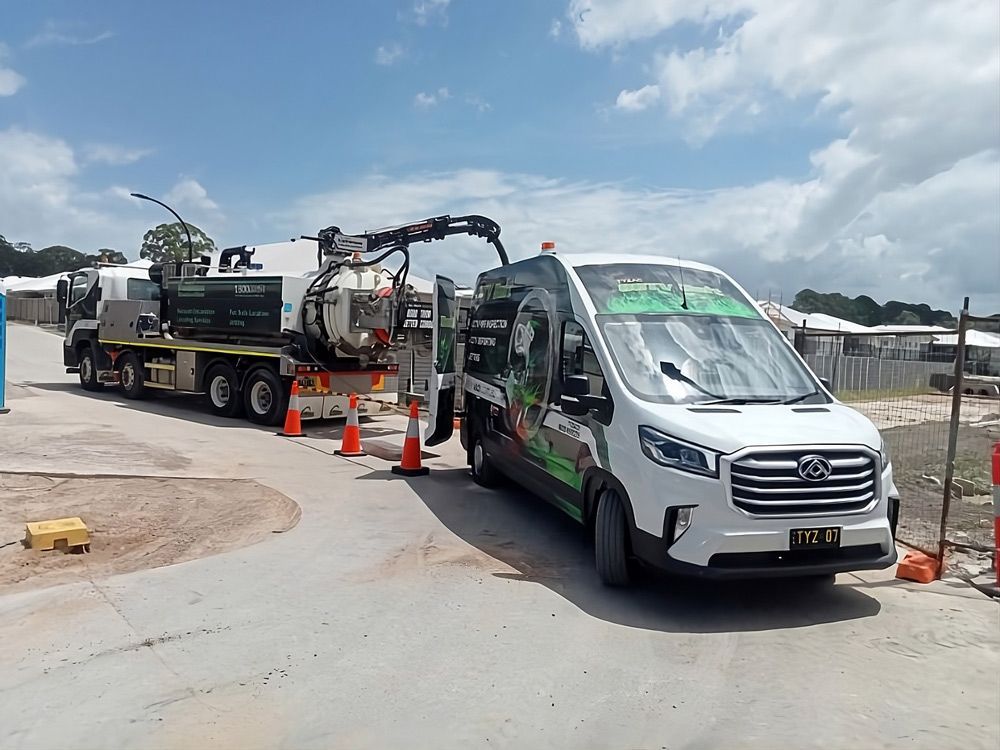
Vacuum excavation removes soil using high-powered suction rather than metal teeth. Material loosens first, often with pressurised water from hydro excavation, then travels through a hose into a debris tank. The process gives operators full visual control over what they expose.
That difference matters on sites layered with risk. Vacuum excavation allows crews to uncover services millimetre by millimetre without physical contact. Electrical, gas, water and communications infrastructure remain intact, even in congested corridors.
The method also suits the Sunshine Coast’s variable ground profile. Sandy soils, compacted fill and moisture-heavy zones respond well to suction-based removal. Operators adjust the pressure and flow in real time, staying in control regardless of changing conditions.
Head-to-Head Comparison at a Glance
For decision-stage users, clarity beats long explanations. Here’s how the two methods compare in practical terms:
- Accuracy: Vacuum excavation exposes assets precisely. Mechanical digging removes material in bulk.
- Risk profile: Vacuum excavation lowers strike risk around live services. Mechanical digging increases reliance on assumptions.
- Site disturbance: Vacuum excavation keeps the surrounding ground stable. Mechanical digging often loosens adjacent soil.
- Access requirements: Vacuum excavation works in confined or traffic-sensitive areas. Mechanical equipment needs space to operate.
- Clean-up & reinstatement: Vacuum excavation leaves tidy excavation zones. Mechanical digging usually demands extra backfill and compaction.
That contrast explains why engineers increasingly specify vacuum methods for service proving, daylighting and sensitive works.
Which Method Causes the Least Site Damage?
Damage isn’t limited to broken pipes. Site damage shows up in a number of ways: settlement, erosion, pavement failure and extended remediation programs. Vacuum excavation reduces these risks through controlled removal and minimal ground disturbance.
Mechanical digging transfers vibration into the surrounding soil. That vibration can shift bedding material, crack brittle services or compromise trench integrity. On urban Sunshine Coast sites near roads or footpaths, that movement creates downstream issues long after excavation finishes.
Vacuum excavation avoids those forces. Soil removal stays localised, and the surrounding ground remains compact and supportive. That stability protects not only buried assets but also surface structures and temporary works nearby.
When Vacuum Excavation Becomes the Smarter Choice
No single method fits every project. The value of vacuum excavation on the Sunshine Coast shows most clearly under specific conditions common here.
High-Risk Service Environments
Projects near hospitals, data centres or commercial precincts demand zero tolerance for strikes. Vacuum excavation provides exposure without contact, supporting safer progress around critical infrastructure.
Tight Access & Live Traffic Areas
Urban upgrades often leave little room for machinery. Vacuum excavation units park away from the dig point and run hoses into place. Traffic disruption stays minimal and site logistics remain manageable.
Design Verification & As-Built Validation
Engineers often need confirmation before finalising designs. Vacuum excavation supports accurate service location, reducing guesswork and the need for design revisions later in the program.
Reactive or Unstable Soils
Traditional digging can collapse trench walls in unstable ground. Vacuum excavation maintains control, lowering the risk of slumping and rework.
Speed Isn’t Just About Digging Time
Mechanical digging removes soil fast, yet overall program speed tells a different story. Repairs from service strikes, remediation of over-excavation and extended reinstatement all slow projects down.
Vacuum excavation trades raw digging speed for process efficiency. Crews expose exactly what’s needed, and no more. Engineers receive clear visibility early, and downstream trades can work with confidence. Fewer surprises mean smoother scheduling across the build.
On the Sunshine Coast, where weather windows and council conditions can tighten timelines fast, that predictability carries real value.
Cost Control Beyond the Initial Line Item
At first glance, mechanical digging appears cheaper. Plant hire rates and familiar processes keep upfront costs down. Yet project budgets rarely reflect only the first invoice.
Vacuum excavation reduces indirect costs. Avoided strikes, fewer redesigns and limited reinstatement protect margins. Insurance claims drop; site delays shrink. The total project cost often favours vacuum methods once all factors come into play.
Engineers balancing value engineering with risk management increasingly recognise that excavation choice influences far more than earthworks allowances.
Hydro Excavation & Its Role on Local Sites
Hydro excavation uses water to loosen soil before suction removes it. This technique proves especially effective in compacted or clay-heavy areas. Hydro excavation on the Sunshine Coast supports gentle exposure without mechanical stress, making it ideal for service locating and potholing.
Cold-water systems suit most local conditions, while heated options are better suited for tougher ground profiles. The flexibility allows crews to adapt quickly, keeping excavation controlled regardless of soil behaviour.
Environmental & Community Considerations
Construction rarely happens in isolation. Everything from noise and dust to vibration affects surrounding properties. Vacuum excavation reduces airborne dust and limits vibration transfer. That consideration matters near residential zones, schools and commercial centres, which are extremely common across coastal developments.
Cleaner excavation also supports better environmental outcomes. Contained spoil handling reduces runoff risk during the wetter months. For projects under environmental scrutiny, that containment helps meet compliance requirements without added controls.
Choosing the Right Method Starts with the Right Questions
Experienced project leaders ask better questions, not just about excavation speed but about exposure accuracy, downstream risk and site context. Vacuum excavation offers answers when certainty matters more than brute force. Mechanical digging retains value in open, low-risk environments where speed dominates priorities.
Balancing both methods across a project often delivers the best outcome. Early-stage service proving through vacuum excavation followed by mechanical bulk removal gives teams an added boost of confidence and efficiency in equal measure.
Excavation methods shape project outcomes long before structures rise. For construction managers and engineers working across coastal and urban environments, understanding excavation options supports safer, smoother delivery. Vacuum excavation on the Sunshine Coast continues to gain traction for good reason – it offers control, visibility and confidence in ground conditions that rarely behave as expected.
At Tyzac Group, serving the Sunshine Coast, we support projects that need accuracy and care beneath the surface. If your next job calls for precise service exposure, reduced site disturbance and dependable progress, speak with us about how vacuum excavation on the Sunshine Coast can support your build. Let’s plan an excavation that works with your program, not against it.