CCTV Pipe Inspections on the Sunshine Coast
We provide safety-focused, reliable support across multiple industries.
See What’s Happening Inside Your Pipes
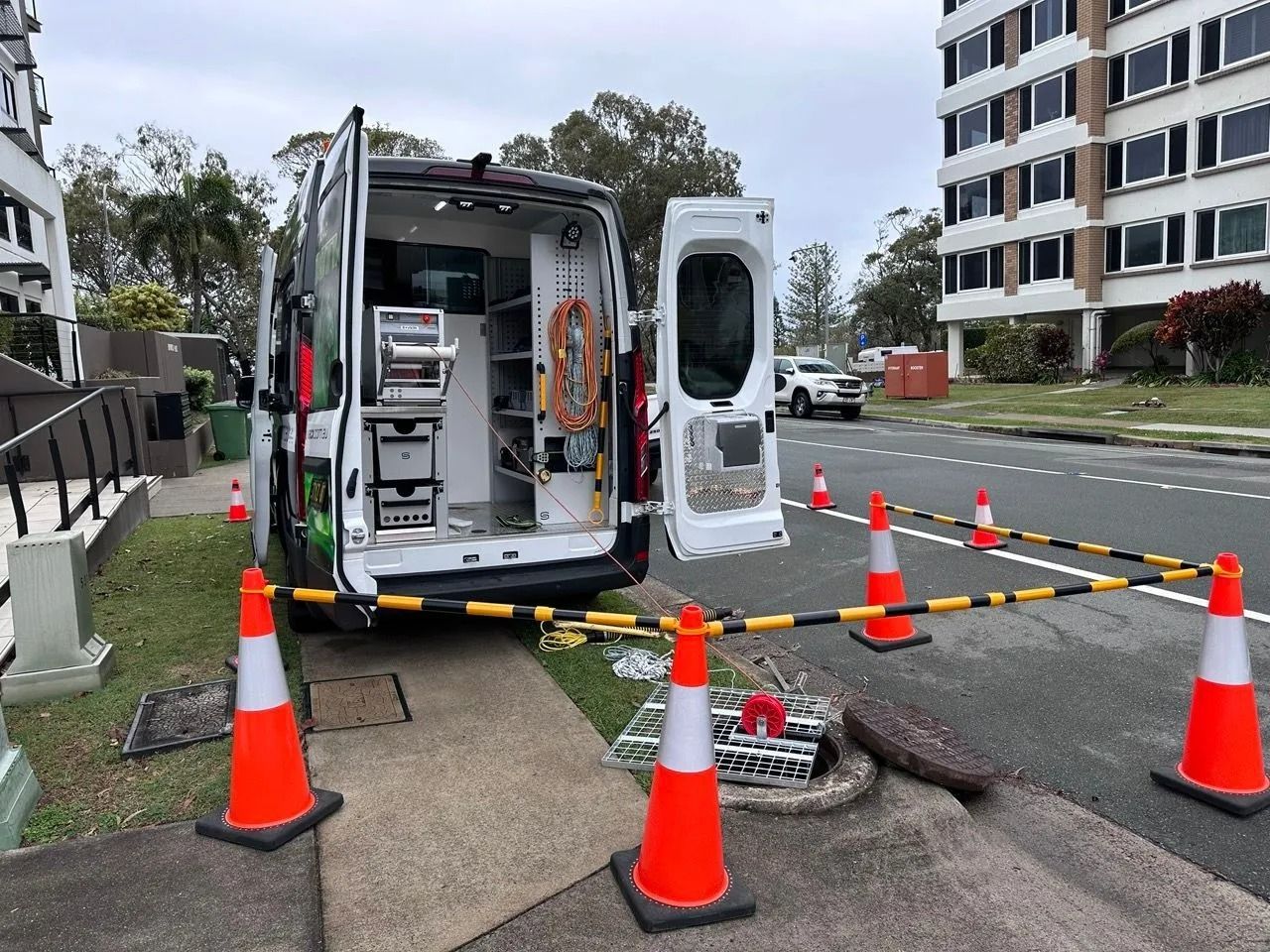
Tyzac Group in Beerwah offers detailed CCTV pipe inspections across the Sunshine Coast and surrounding areas, including Gympie, North Lakes, Caboolture and Brisbane. We use high-resolution cameras to assess sewer, stormwater and commercial drainage networks. Our equipment captures clear footage that helps identify blockages, cracks, deformation, infiltration or structural issues that aren’t visible from the surface.
This insight is beneficial for trades, civil contractors and maintenance teams who need accurate information before repairs or upgrades. Each inspection includes clear reporting so crews can move forward with confidence and avoid unnecessary excavation or downtime.
To arrange an inspection, give us a ring on 1800 899 229!
Clear, Practical Reporting
Understanding the full condition of a pipeline helps avoid costly surprises, and our reporting process delivers the details needed for confident planning. We record and review footage to pinpoint defects, locate obstructions and assess overall pipe health, giving you a clear picture of what requires attention.
Our team works cleanly and efficiently, collecting any dislodged debris into sealed tanks to keep the site tidy. CCTV inspections suit routine maintenance, emergency works and pre-construction assessments, helping reduce downtime and improve long-term asset performance. Whether you are preparing for repairs, confirming installation quality or diagnosing a recurring issue, we’re here to help!
Many Years of Experience
Maintained Equipment
Certified Team
Get A Quote
Let us know what you need done and we'll provide you with a quote for the job!
Contact Us
Thank you for contacting Tyzac.
We will get back to you as soon as possible.
Oops, there was an error sending your message.
Please try again later.
Frequently Asked Questions
How Does Hydro Excavation Work?
Hydro excavation pumps high-pressure, heated water underground in order to break up and loosen the soil. Once the wet soil has a consistency closer to a slurry, the vacuum of the hydro vac truck is used to suck the wet soil out of the ground.
From here, it’s collected inside the holding tank of the truck, then deposited safely later. This sophisticated digging technique is quickly becoming the most popular excavation method when precision and care are needed.
What Is Hydro Excavation Most Commonly Used For?
Hydro excavation is most commonly used for a process called 'daylighting', which means exposing underground pipes, cables, and utilities in order to provide easy and clear access.
Some of the most common applications of hydro excavations include:
- Locating, installing and repairing pipelines and cables
- Maintaining and repairing water lines
- Maintaining and repairing cables used in telecommunications
- Installing signage and poles
- Slot trenching for pipeline and cable installations
- Potholing
- Debris removal
Essentially, hydro excavation is most frequently used in cases where precision and safety are paramount. Hydro excavation is ideal for revealing and accessing underground utilities.
Why Is It Called 'Non-Destructive Digging'?
Hydro excavation is also called non-destructive digging because, when compared to traditional excavation methods, hydro excavation is much safer. Underground utilities, pipelines, cables, and water pipes can all be damaged by the tools used in traditional excavations.
The term 'non-destructive' refers to the fact that hydro excavation doesn’t destroy underground works during the digging process. Because of the precision and accuracy of this excavation method, hydro excavation is also much tidier, making it easier to clean up an excavation site once excavations are complete.
What Happens To The Dirt And Debris That Is Sucked Up During Vacuum Excavations?
The water used during non-destructive digging mixes with the dirt underground to form a soft, viscous slurry, which can then be pulled out of the ground via suction. It's deposited in the holding tank of the vacuum truck, and when the holding tank is full, this dirt can be deposited safely elsewhere in an environmentally responsible way.
The exact location of disposal will depend on where the excavation site is and what is required by the client, but at Tyzac Group we always ensure that we dispose of dirt from our excavations safely.
How Much Does Hydro Excavation Cost?
The precise cost and duration of hydro excavation will depend upon both the size of the area that needs excavating and the complexity of the job.
To get an accurate quote for your hydro excavation project, call 1800 899 229 or contact us today at Tyzac Group, and one of our expert advisors will discuss your non-destructive digging project in Noosa or North Brisbane with you.