Sewer Pipeline Testing on the Sunshine Coast
We provide safety-focused, reliable support across multiple industries.
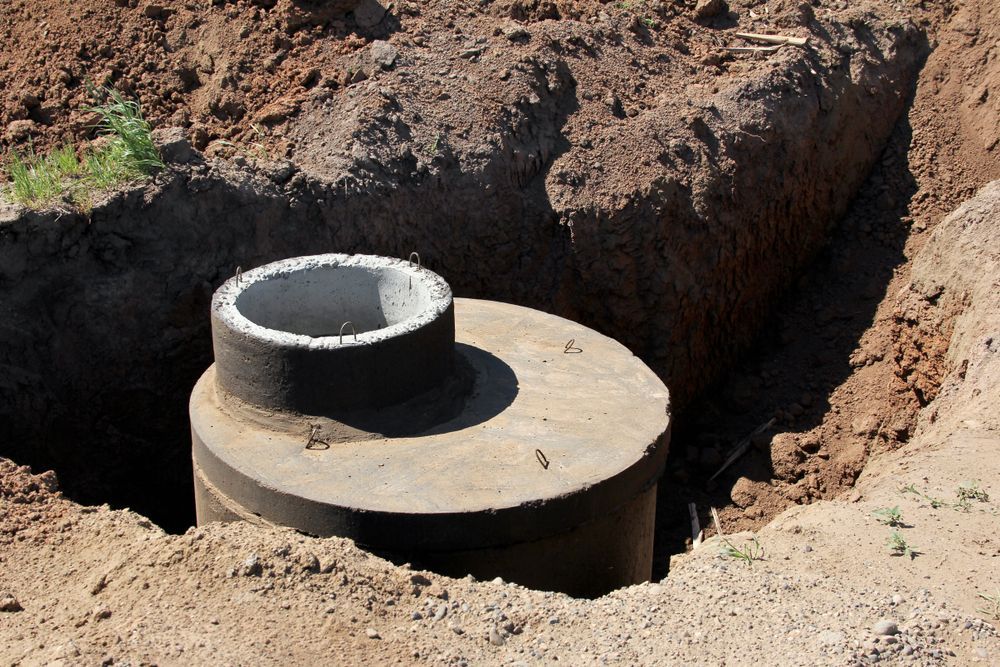
Precision Pipeline Testing & Stronger Systems
Tyzac Group in Beerwah provides sewer manhole and pipeline testing on new sewer mains or repaired sewer pipelines and manholes within the Sunshine Coast, Northern Brisbane area and up to Gympie and Hervey Bay.
The newly installed or repaired sewer mains are vacuumed down to the required pressure to identify any leaks within the pipeline so they can be repaired if required. If no leaks are found and pressure is maintained within local authority requirements, then a NATA-certified report will be issued.
To arrange testing for your system, call us on 1800 899 229.
Sewer Ovality Testing
Tyzac Group in Beerwah provides sewer pipeline ovality testing on new sewer mains or repaired sewer pipelines within the Sunshine Coast, Northern Brisbane area and up to Gympie and Hervey Bay.
Tyzac Group has two methods of testing sewer pipelines for ovality, one being by pulling an ovality tool through the pipelines for pipes 150mm–225mm, and the other is utilising a CCTV camera, which provides ovality reporting for pipelines from 150mm to 1200mm.
Once ovality has been confirmed within local authority requirements, then a NATA-certified report will be issued. To arrange testing for your system, call us on 1800 899 229.
Many Years of Experience
Maintained Equipment
Certified Team
Get A Quote
Let us know what you need done and we'll provide you with a quote for the job!
Contact Us
Thank you for contacting Tyzac.
We will get back to you as soon as possible.
Oops, there was an error sending your message.
Please try again later.
Frequently Asked Questions
What can water pressure testing detect?
Water pressure testing can reveal leaks, cracks, improper joints, weaknesses in pipe walls and issues caused by installation errors or material defects. It may also identify pressure drops connected to hidden damage. Detecting these problems early provides valuable insight into system performance and ensures the pipeline can operate safely under normal working conditions.
How is water pressure testing completed?
Technicians typically isolate a section of pipe, fill it with water, then pressurise it to a specified level using pumps or controlled equipment. The pressure is monitored for a set duration to check for drops that may indicate leaks or structural issues. Results help determine whether the system meets required performance and safety criteria before commissioning.
What happens if a pipeline fails a pressure test?
If a pipeline fails a pressure test, the next step is to locate the cause, which may involve visual inspection, additional testing, or checking fittings, joints or valves. Repairs or modifications are made to correct the issue, and the system is tested again. The goal is to verify structural integrity and ensure the line is safe for operation.