Common Excavation Mistakes And How Vacuum Excavation Prevents Them
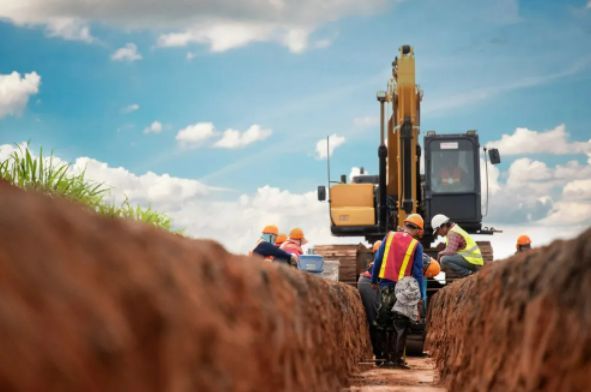
Excavation work might look straightforward from the outside, but anyone working in construction knows how quickly things can go wrong when the ground beneath a site isn’t fully understood. One mistake with underground services can stop an entire project. Damaged utilities, unexpected delays and safety risks don’t just affect the excavation crew, they impact schedules, budgets and everyone working on site.
That’s why excavation today is about more than just digging quickly. It’s about precision, safety and reducing unnecessary risk before problems happen. For many contractors and supervisors, vacuum excavation on the Sunshine Coast have become a key part of that approach, especially on sites where underground infrastructure needs to be exposed safely.
Why Excavation Mistakes Happen So Often
A lot of excavation issues begin with assumptions. Plans may show where services are located, but underground conditions change over time. Pipes are relocated, cables are added and older infrastructure isn’t always mapped accurately.
Under pressure to keep projects moving, crews sometimes rely too heavily on machinery or incomplete information. That’s where mistakes happen.
Common excavation problems often include:
- Striking underground utilities
- Digging beyond required depths
- Damaging surrounding infrastructure
- Creating unstable ground conditions
Even small errors can have major consequences once work begins.
Underground Services Are Not Always Where You Expect
One of the biggest challenges on construction sites is that underground infrastructure isn’t always visible or accurately documented. Electrical cables, water lines, gas pipes and communication services may sit closer to the surface than expected or differ from original plans.
Traditional excavation methods can make this risky because heavy machinery removes material aggressively. Once a bucket strikes a service, the damage is already done. That’s why locating and exposing services carefully is such an important part of modern excavation safety.
The Cost of Striking Underground Utilities
Hitting underground infrastructure creates more than just repair work.
A damaged service can lead to:
- Project shutdowns
- Emergency repair callouts
- Safety hazards for workers onsite
- Delays affecting multiple contractors
For larger civil or commercial projects, even a short delay can quickly become expensive. In some cases, damaging critical infrastructure can also create compliance or liability issues that extend well beyond the excavation itself.
Why Traditional Digging Methods Increase Risk
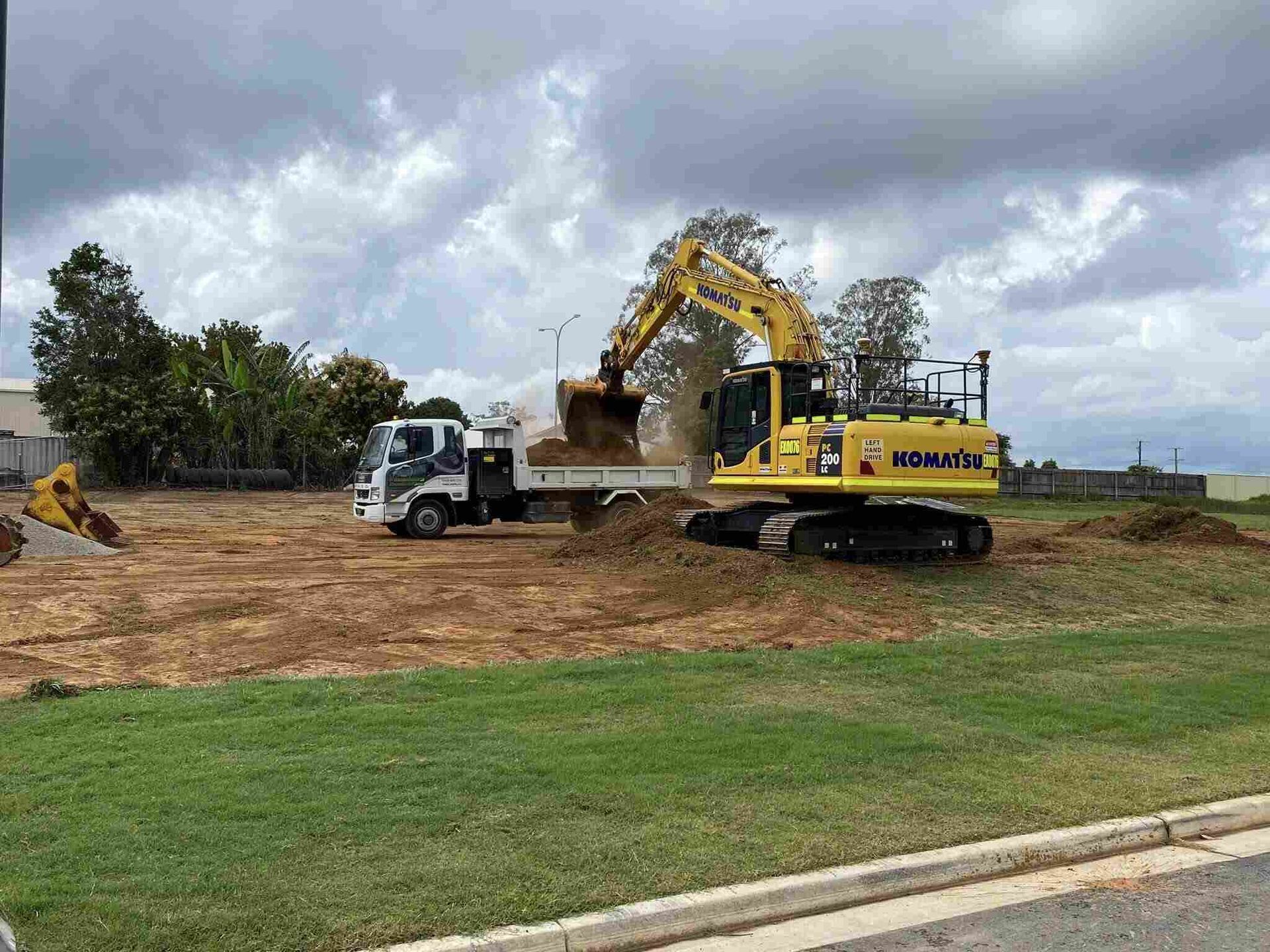
Mechanical excavation works well for bulk earthmoving, but it’s less suited to areas where precision matters. Buckets and machinery remove material quickly, often without clear visibility of what sits below the surface.
This increases the chance of:
- Over-excavation
- Utility strikes
- Ground instability around services
- Damage to surrounding structures
Once underground assets are damaged, repairs and delays usually follow. That’s why many contractors now combine traditional excavation with safer, more controlled techniques around critical infrastructure.
How Vacuum Excavation Works Differently
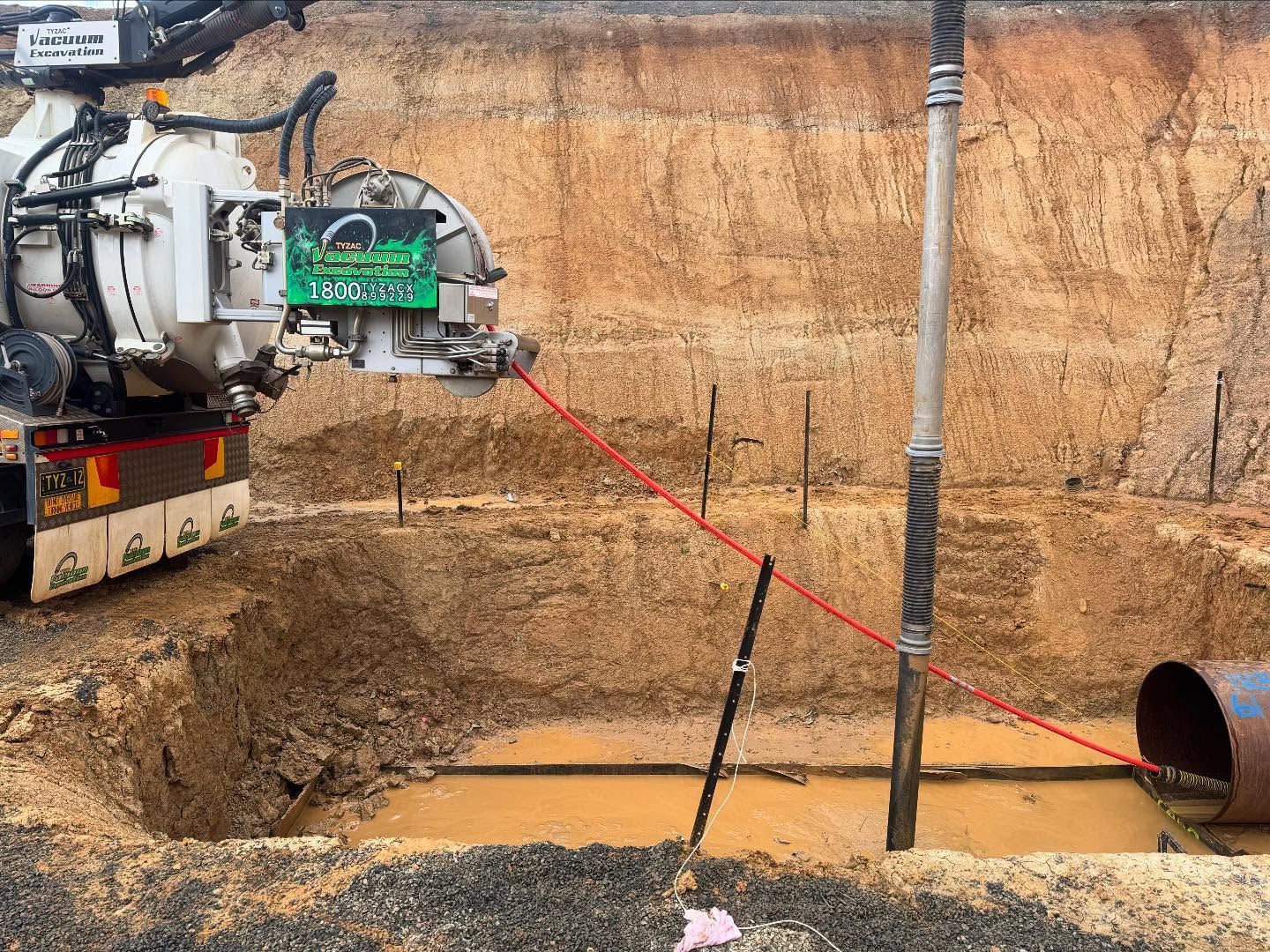
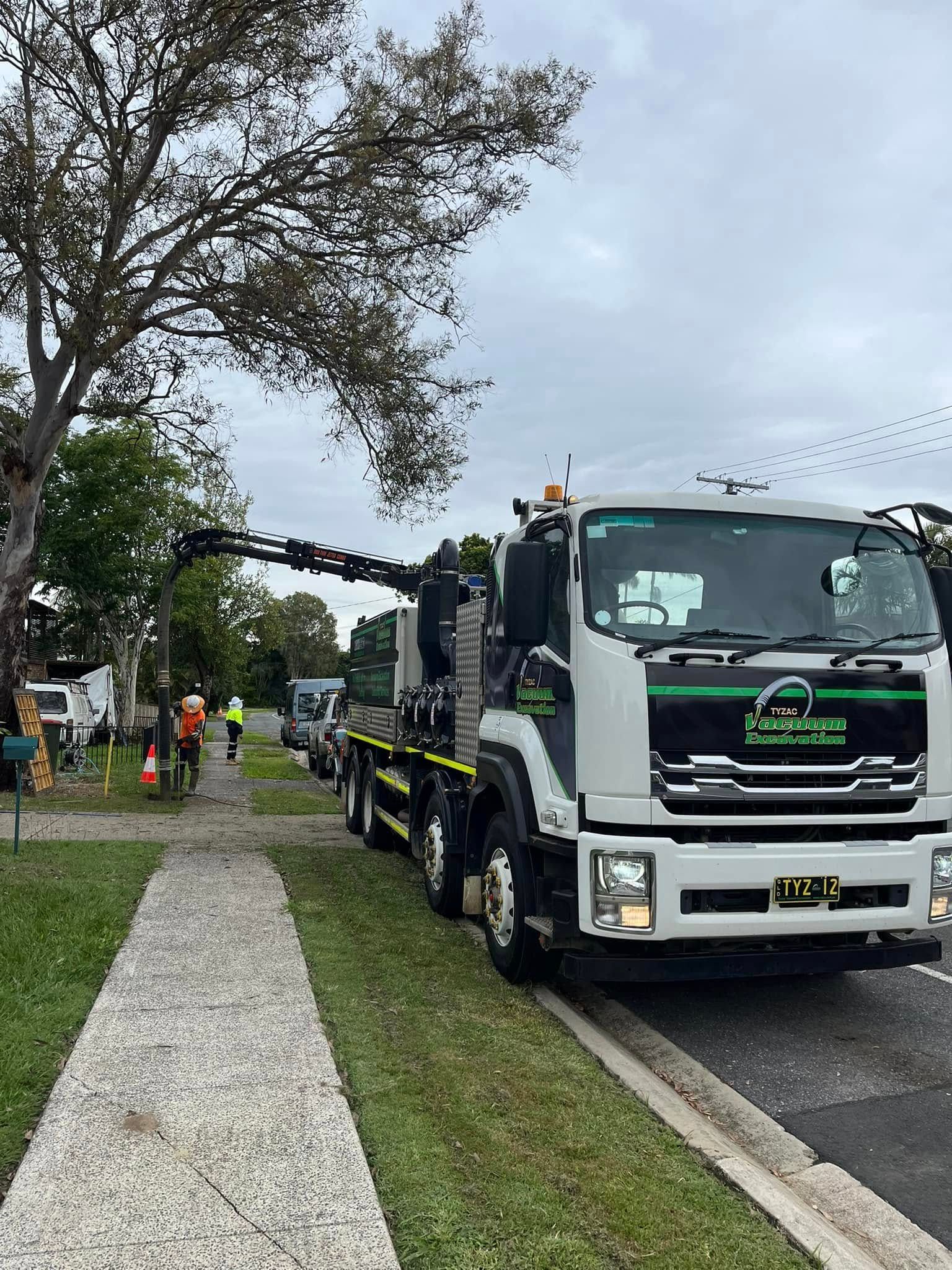
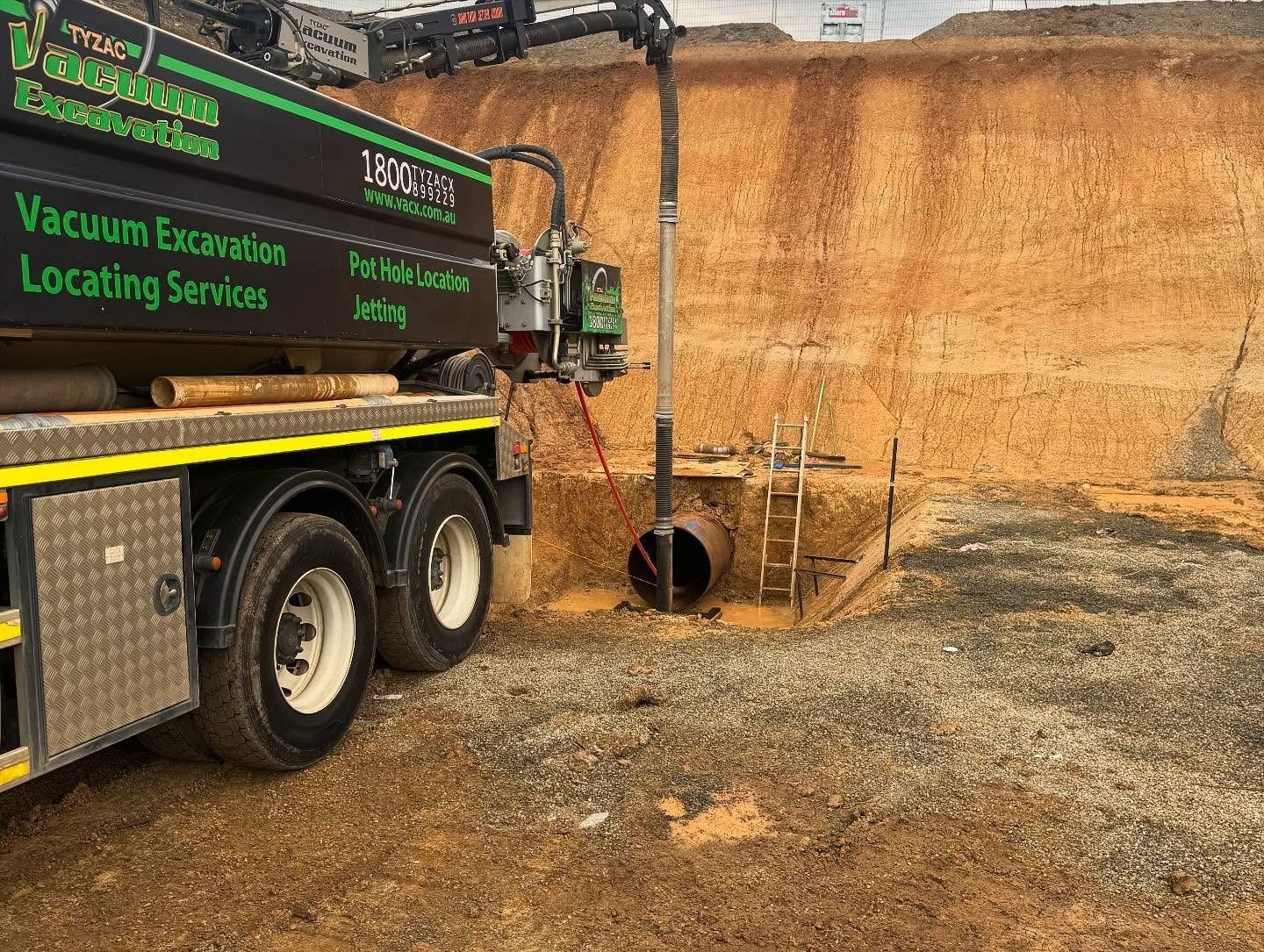
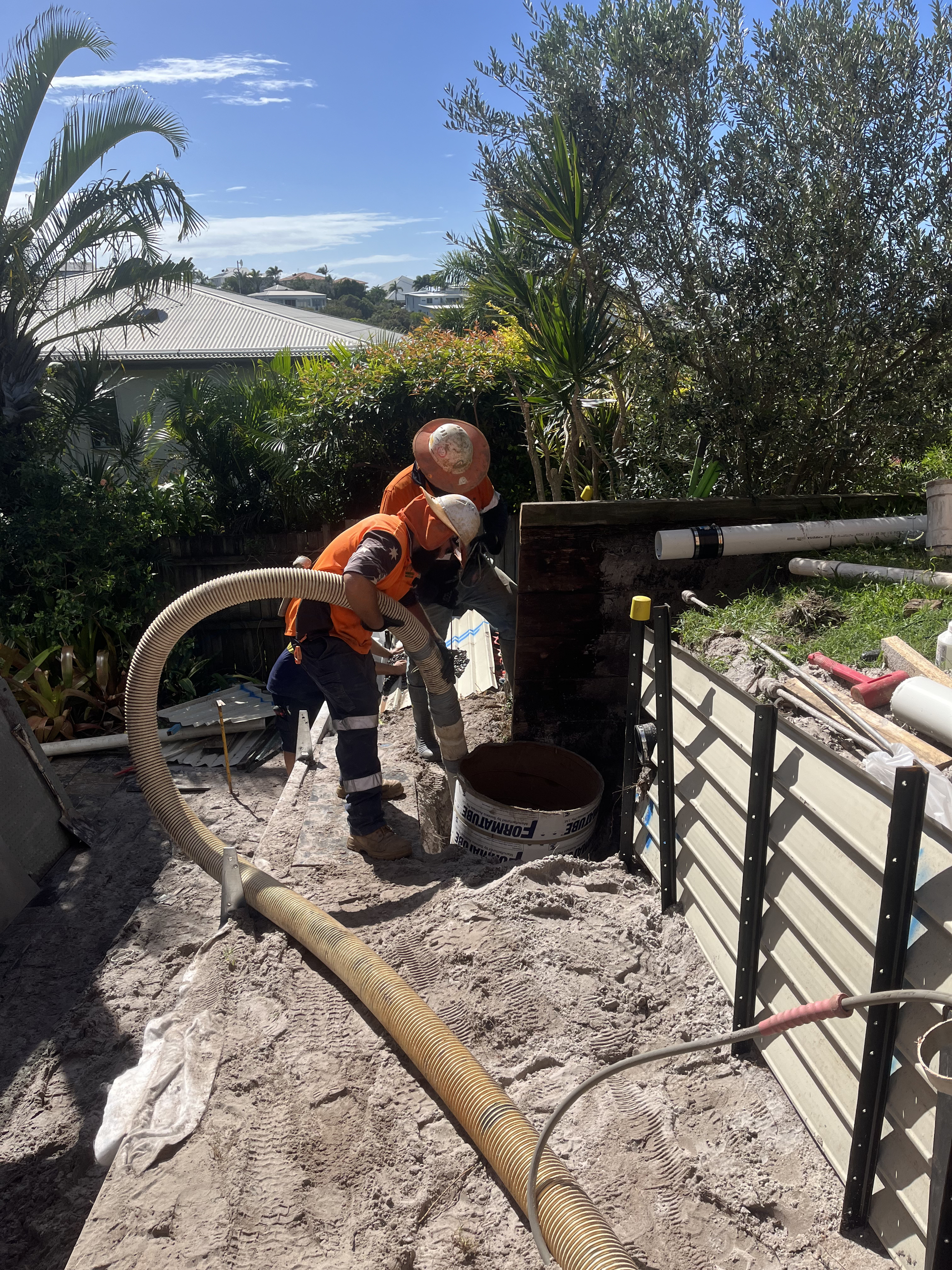
Vacuum excavation uses pressurised air or water to break up soil while a vacuum system safely removes the material. Instead of aggressively digging through the ground, the process exposes underground services carefully and with far greater precision.
This approach allows crews to:
- Locate services without direct contact
- Reduce unnecessary ground disturbance
- Maintain cleaner and more controlled excavation areas
Because the process is more targeted, it significantly reduces the risk of accidental damage.
Precision Makes a Big Difference on Busy Sites
Construction sites often involve multiple trades working within tight spaces and strict schedules. When excavation mistakes happen, they rarely affect just one team.
A damaged water main or communication line can delay:
- Electrical contractors
- Concrete works
- Plumbing installations
- Civil construction stages
Vacuum excavation helps minimise these disruptions because it allows crews to expose underground assets accurately before larger works continue. That precision becomes especially important in built-up areas across the Sunshine Coast where underground infrastructure is often congested.
Excavation Safety Sunshine Coast Projects Depend On
Safety is one of the biggest reasons contractors use vacuum excavation. Traditional excavation around live services always carries risk, particularly near electrical or gas infrastructure. Vacuum excavation reduces those risks by limiting direct mechanical contact with underground assets.
This improves overall excavation safety on the Sunshine Coast while also helping sites maintain compliance with safety procedures and utility protection requirements. For supervisors managing multiple contractors and deadlines, reducing risk at the excavation stage can prevent much larger problems later.
Mistakes Often Lead to Delays and Budget Blowouts
Excavation delays rarely stay contained to one task. If underground services are damaged or unexpected issues appear, project timelines can shift quickly. Equipment may sit idle while repairs are organised and additional labour costs begin adding up.
Common flow-on impacts include:
- Delayed construction sequencing
- Increased subcontractor costs
- Rework and reinstatement expenses
- Lost productivity onsite
Preventing those issues early is usually far more cost-effective than managing them after the damage occurs.
Vacuum Excavation Supports Better Site Control
Another advantage of vacuum excavation is the level of control it provides during sensitive works.
Because soil is removed in a controlled manner, operators can work more accurately around:
- Existing utilities
- Tree roots and landscaping
- Footpaths and paved areas
- High-traffic commercial sites
This helps minimise disruption while maintaining safer excavation conditions across the site. For urban and infrastructure projects on the Sunshine Coast, that level of precision is becoming increasingly valuable.
Why Planning Matters Before Excavation Begins
One of the most effective ways to reduce excavation problems is proper planning before machinery arrives onsite.
That includes:
- Reviewing service locations
- Identifying high-risk areas
- Choosing appropriate excavation methods
- Coordinating works around existing infrastructure
Vacuum excavation is often used as part of this planning process because it allows crews to confirm underground conditions safely before larger excavation begins. That early visibility helps avoid costly surprises once construction is underway.
Vacuum Excavation Sunshine Coast Contractors Can Rely On
Excavation mistakes don’t just slow projects down. They create safety risks, increase costs and disrupt everyone working onsite. That’s why many contractors now rely on vacuum excavation on the Sunshine Coast to improve accuracy, reduce risk and protect underground infrastructure before major works begin.
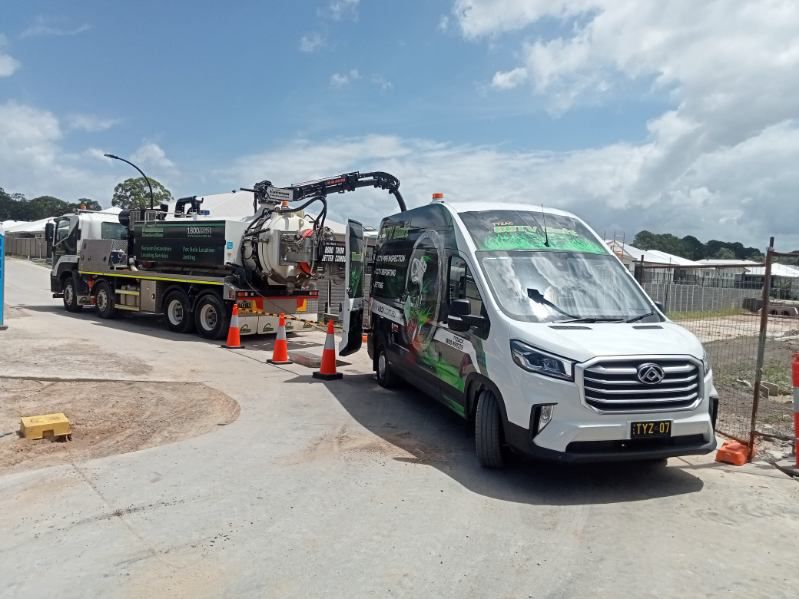
For projects where safety, precision and efficiency matter, Tyzac Vacuum Excavation provides professional vacuum excavation solutions designed to minimise disruption and support smoother project delivery.
Learn more about vacuum excavation services with us. Because when excavation is handled properly from the start, the rest of the project has a much better chance of staying on track.