How To Choose The Right Hydro Excavation Company On The Sunshine Coast
Choosing a hydro excavation company is about a lot more than who owns a truck. When you're working around underground pipes, cables and utility infrastructure, the difference between a well-run job and a costly, disruptive mistake often comes down to the provider's experience, equipment and safety practices — not just their price. Here's what to actually look for when comparing hydro excavation on the Sunshine Coast for your next project.
Why the Right Provider Matters More Than the Equipment Alone
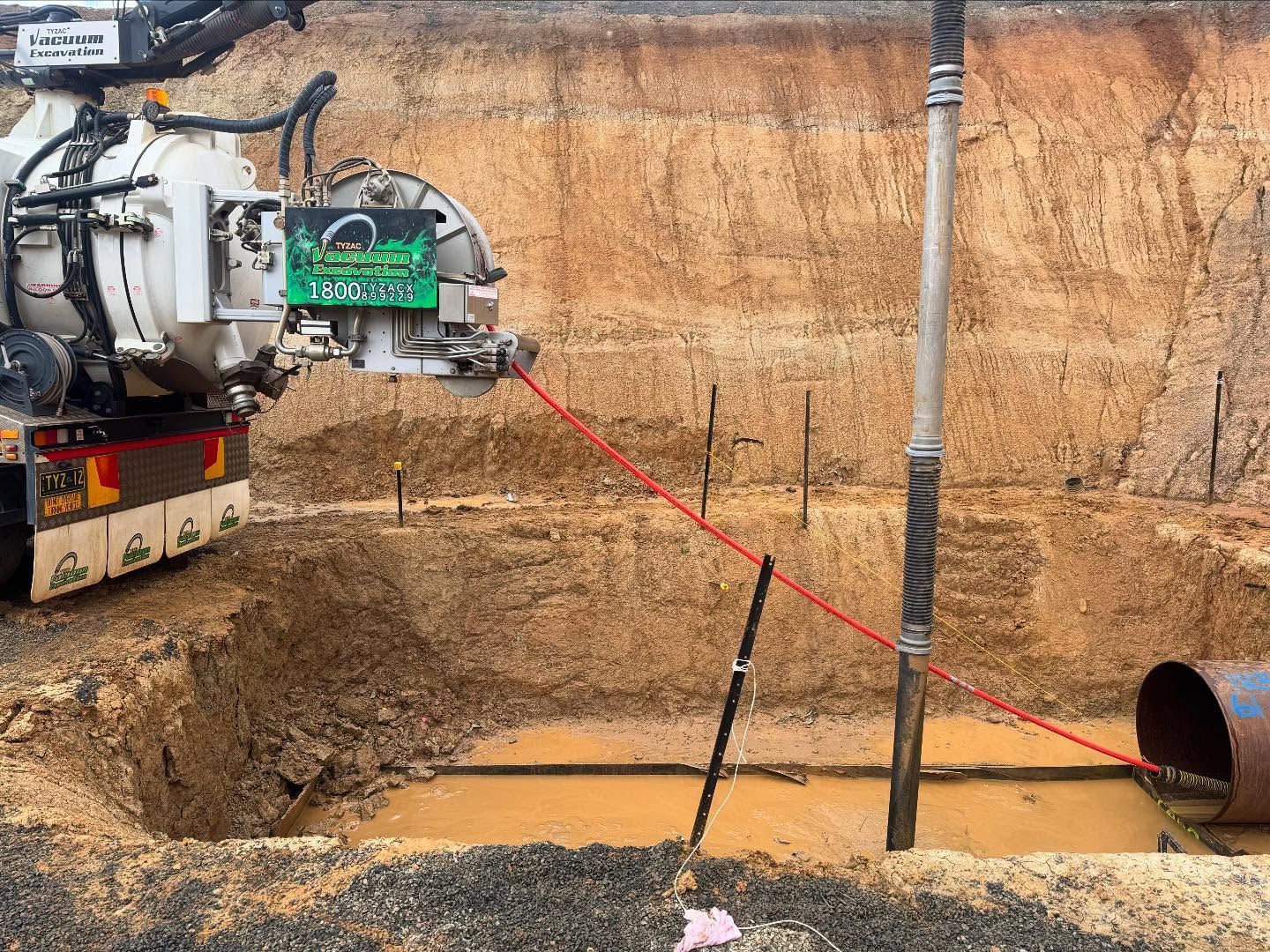
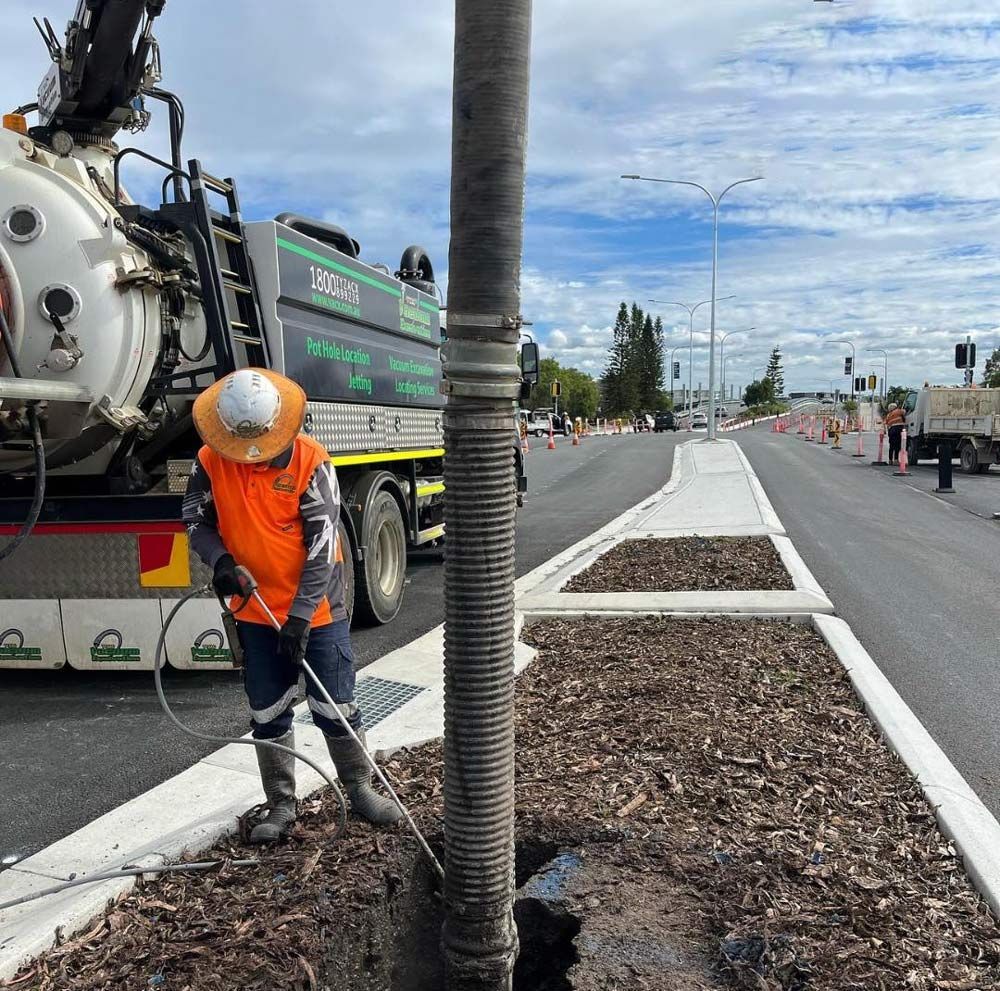
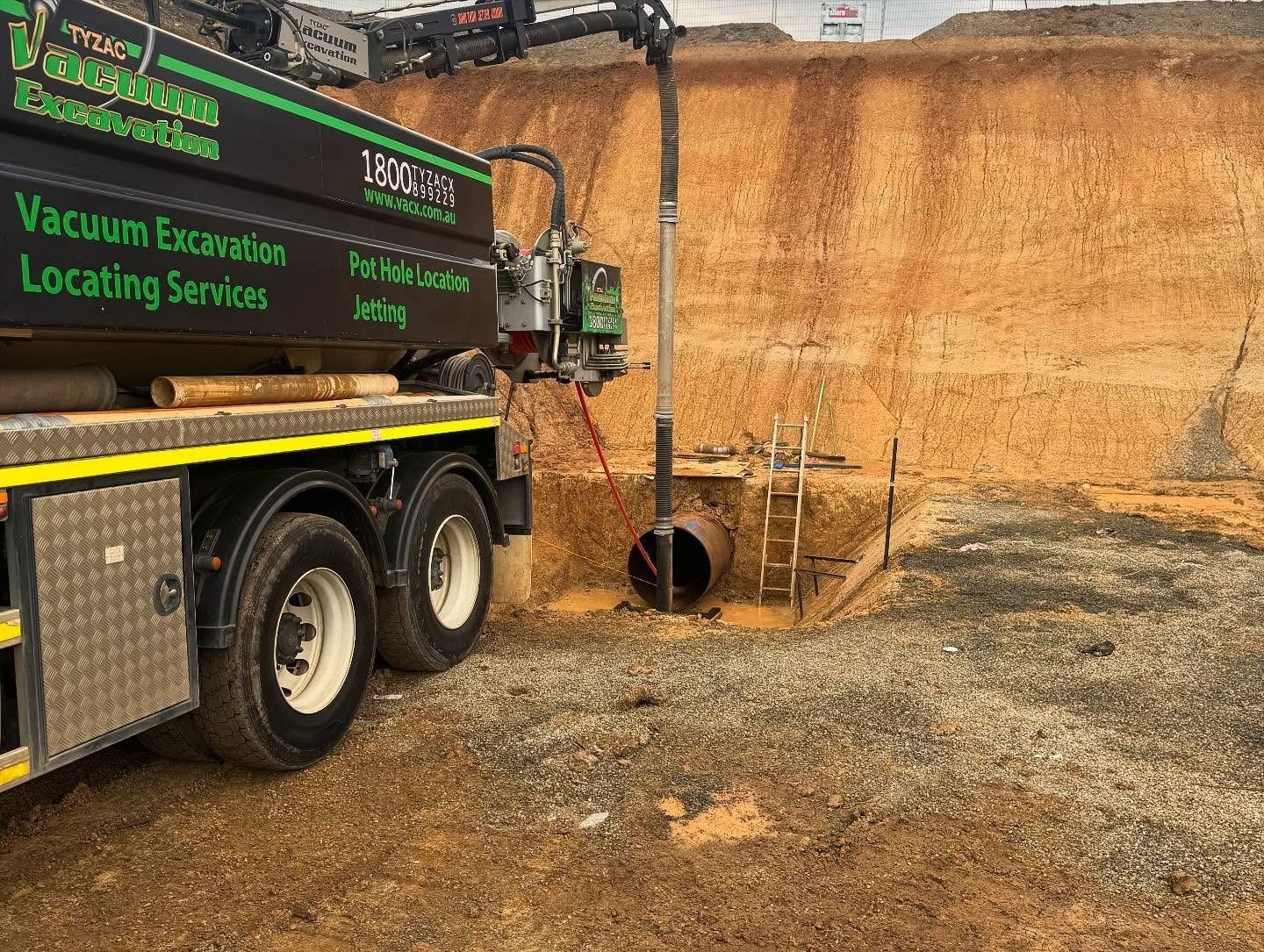
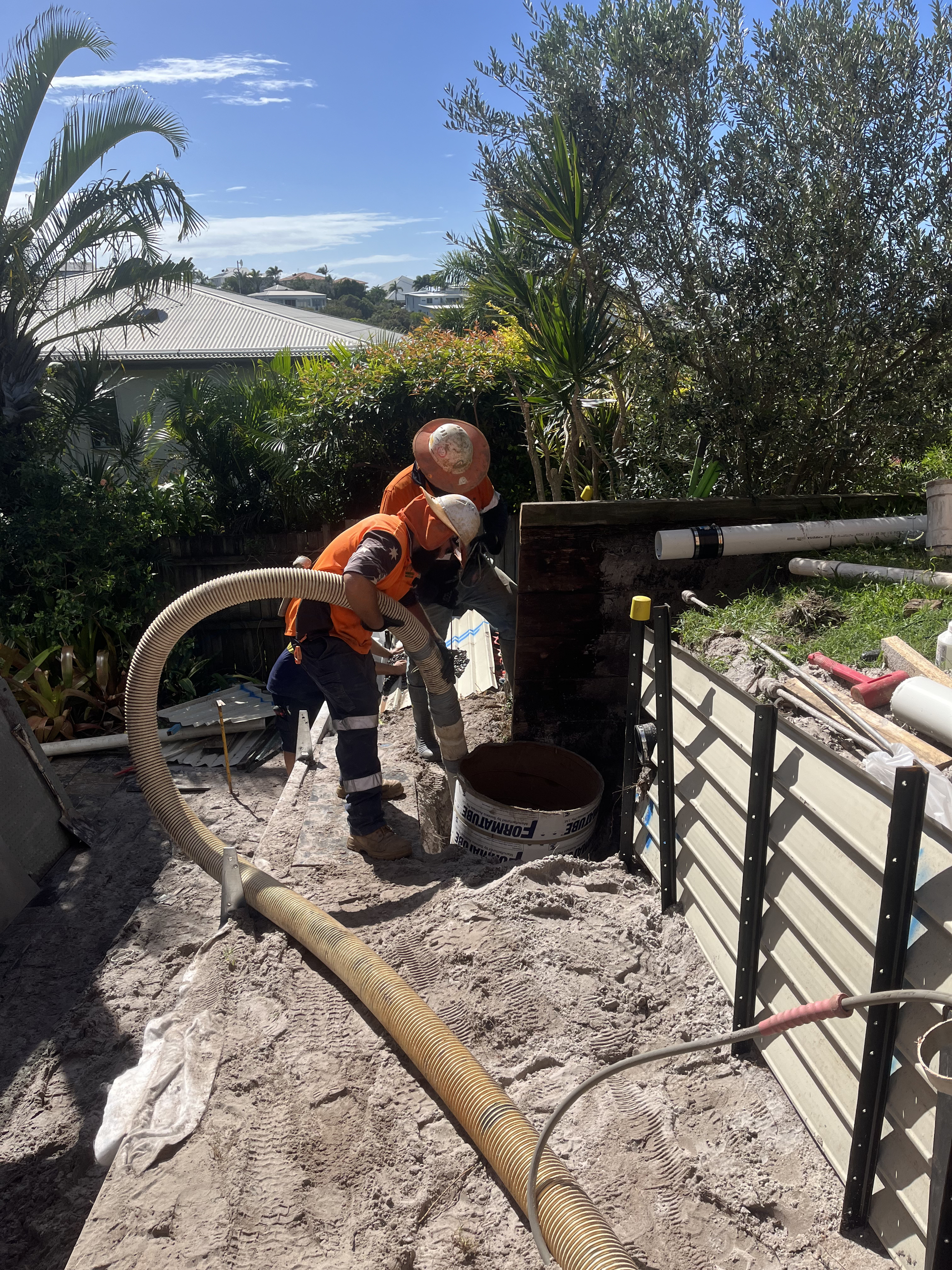
Vacuum excavation, otherwise known as hydro excavation, is inherently a safer, more precise method than traditional mechanical digging, using pressurised water to break up soil before it's suctioned into a debris tank. But the technique itself only delivers on that safety promise when it's operated by genuinely experienced hands.
Two companies can both own a hydro vac truck and still deliver very different outcomes on site. The real differentiators are operator training, project planning, and a track record of safe excavation around live underground assets — which is exactly why comparing providers on more than price matters for anyone digging near pipelines, cables or other buried infrastructure.
Key Factors to Consider When Comparing Hydro Excavation Companies
Industry experience. A provider with a genuine track record across residential, commercial, civil and utility projects has likely encountered the full range of underground surprises a site can throw up — tree roots, unexpected services, varying soil types — and knows how to handle them without drama.
Trained, experienced operators. The truck is only as good as the person running it. Look for a provider whose operators are properly trained specifically in hydro excavation technique, not just general labouring or plant operation.
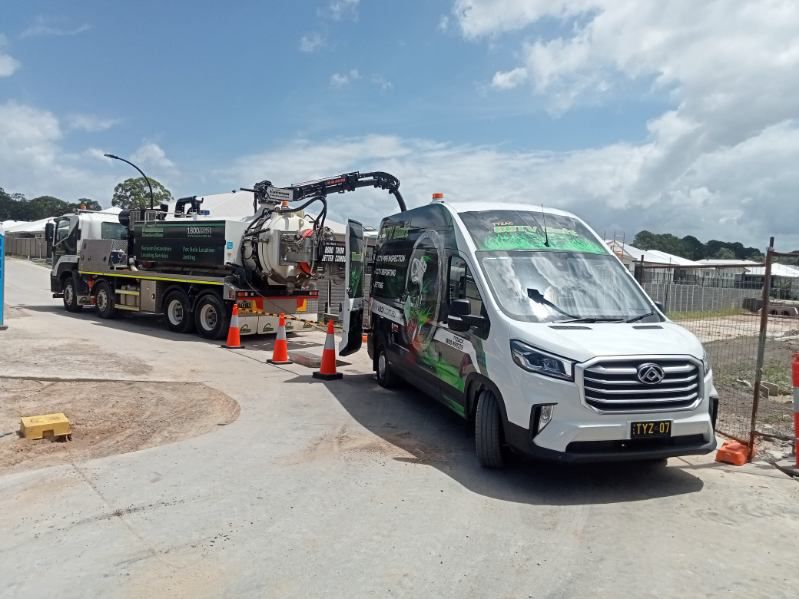
Modern vacuum excavation equipment. Fleet capability matters. A provider with a range of truck sizes — commonly ranging from smaller 3,000L units up to larger 8,000L capacity trucks — can match the right equipment to your specific job, rather than using an oversized or undersized unit because it's all they have available.
Safety and compliance practices. Genuine non-destructive digging around underground infrastructure demands rigorous safety standards. A reputable provider should be able to speak confidently about how they manage risk around live services, not just describe their equipment.
Project planning. Good providers don't just show up and start digging — they plan around known services, site access constraints and project sequencing, which reduces the risk of delays or unexpected complications mid-job.
Response times. For urgent projects, or emergency work uncovering damaged infrastructure, a provider's ability to respond quickly can be the difference between a minor delay and a significant project setback.
Capability across project types. Whether you're a civil contractor, a utility provider, a plumbing or electrical contractor, or a property developer, the right provider should be equally comfortable across residential, commercial, civil and utility-scale work, adapting their approach to the specific demands of each.
Why Non-Destructive Excavation Expertise Reduces Risk
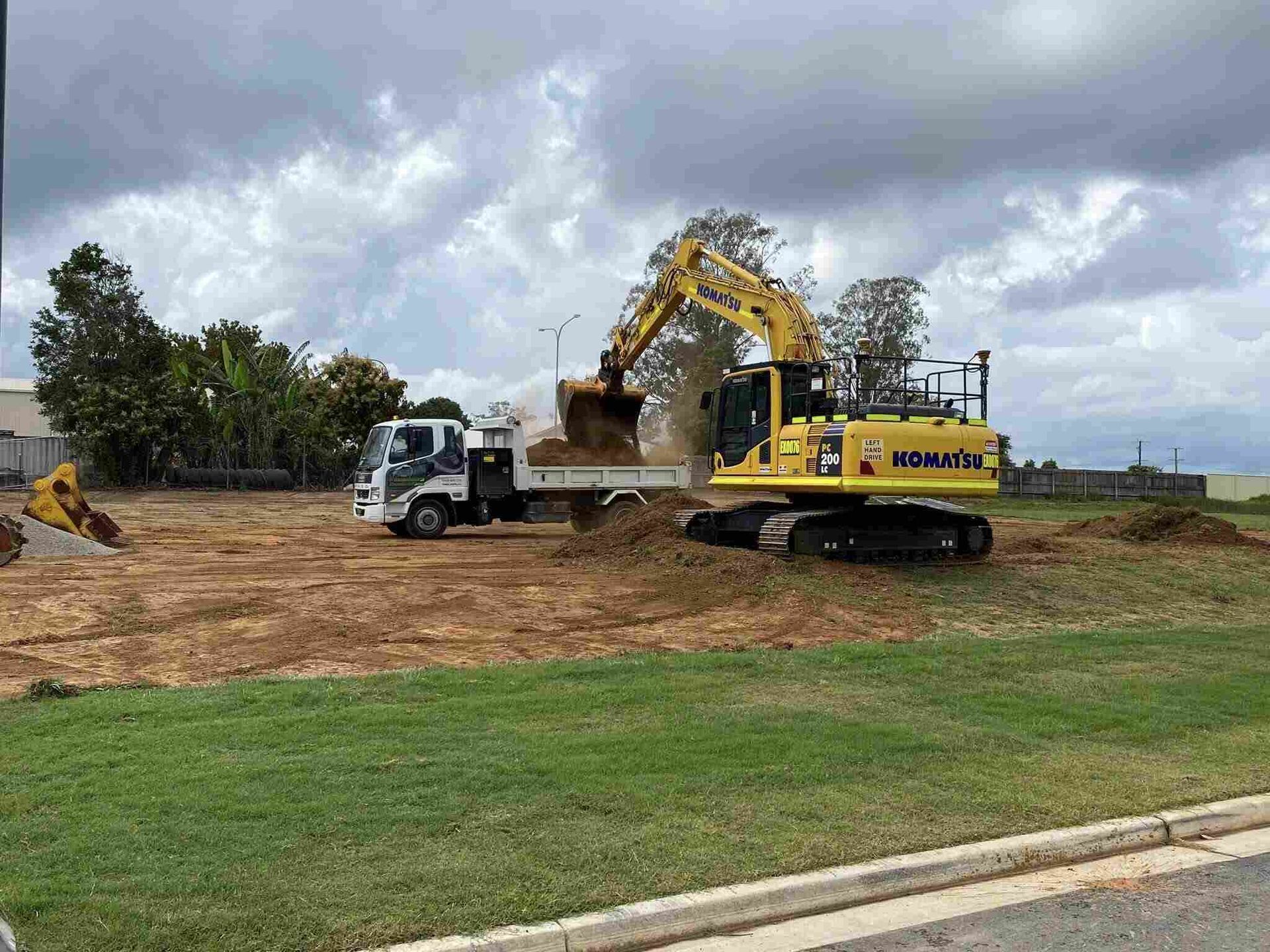
Digging through soil using conventional mechanical techniques carries a real risk of damaging underground utilities such as pipelines and cables — damage that can be expensive, disruptive, and in some cases dangerous. Hydro excavation avoids this by using pressurised water to loosen soil precisely around known and unknown services, allowing crews to expose infrastructure without the blunt-force risk of an excavator bucket.
Choosing a provider with specialist hydro excavation equipment and genuine experience in non-destructive digging directly reduces the risk of underground asset damage, unplanned project delays, and the costly repairs that follow a struck service. This is particularly important on sites with dense or poorly documented underground infrastructure, where the margin for error with conventional digging is much smaller than it first appears.
Questions to Ask Before Hiring a Hydro Excavation Contractor
Before committing to a provider, it's worth asking:
- How experienced are your operators specifically in hydro excavation, not just general excavation work?
- What size trucks and equipment do you have available, and how do you match equipment to project scope?
- How do you plan around known and unknown underground services before work begins?
- What's your typical response time for urgent or emergency jobs?
- Can you provide examples of similar residential, commercial, civil or utility projects you've completed?
- Are you fully insured for the scope of work involved?
A provider who answers these clearly and confidently, without vague or evasive responses, is generally a good sign you're dealing with a genuinely experienced operation.
Choosing a Reputable Local Provider
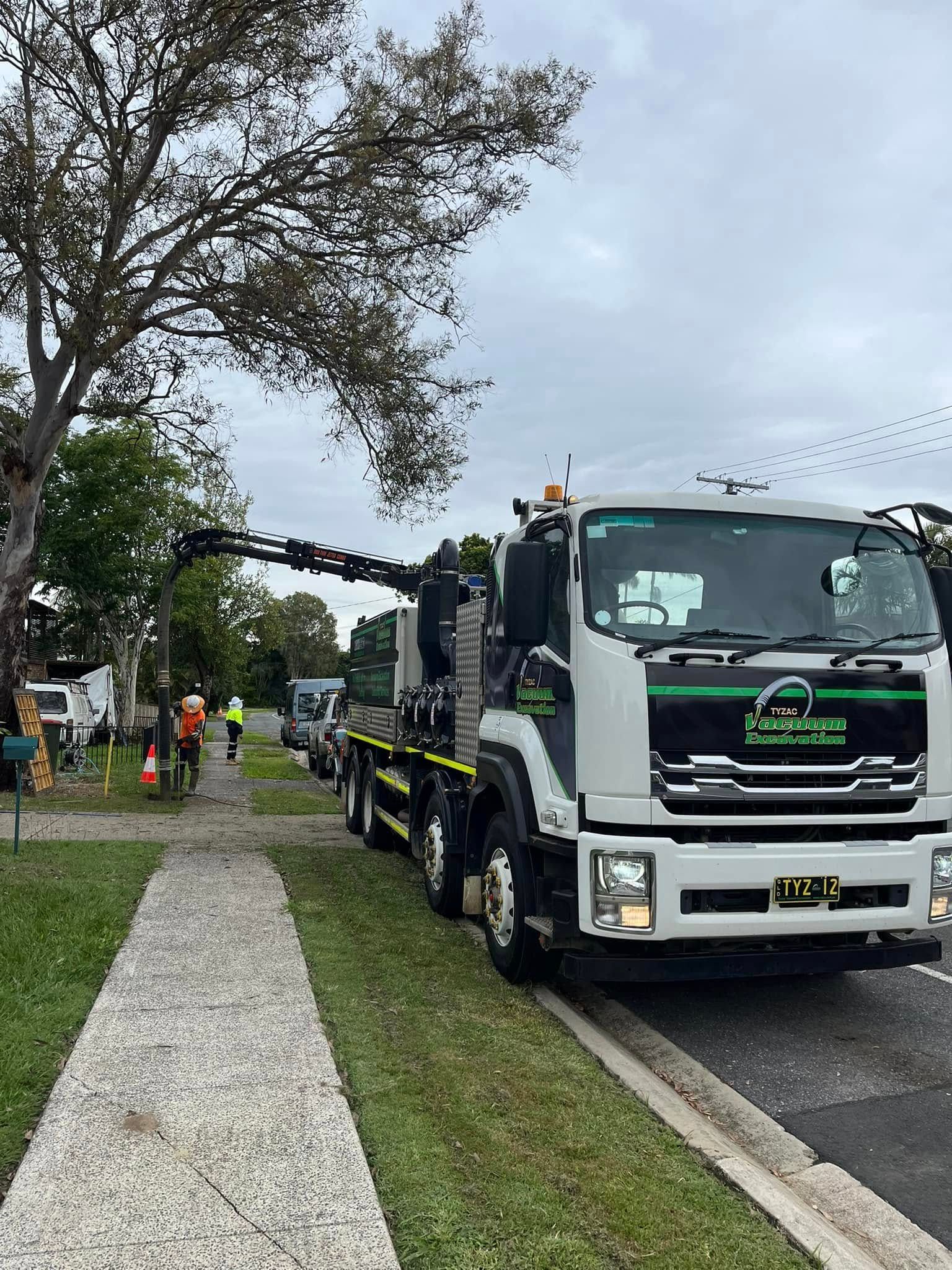
Working with a reputable, local hydro excavation Sunshine Coast provider contributes directly to safer, more efficient excavation outcomes — not just because of proximity, but because local providers understand the region's specific ground conditions, common underground infrastructure layouts, and council requirements far better than an out-of-area operator parachuting in for a single job.
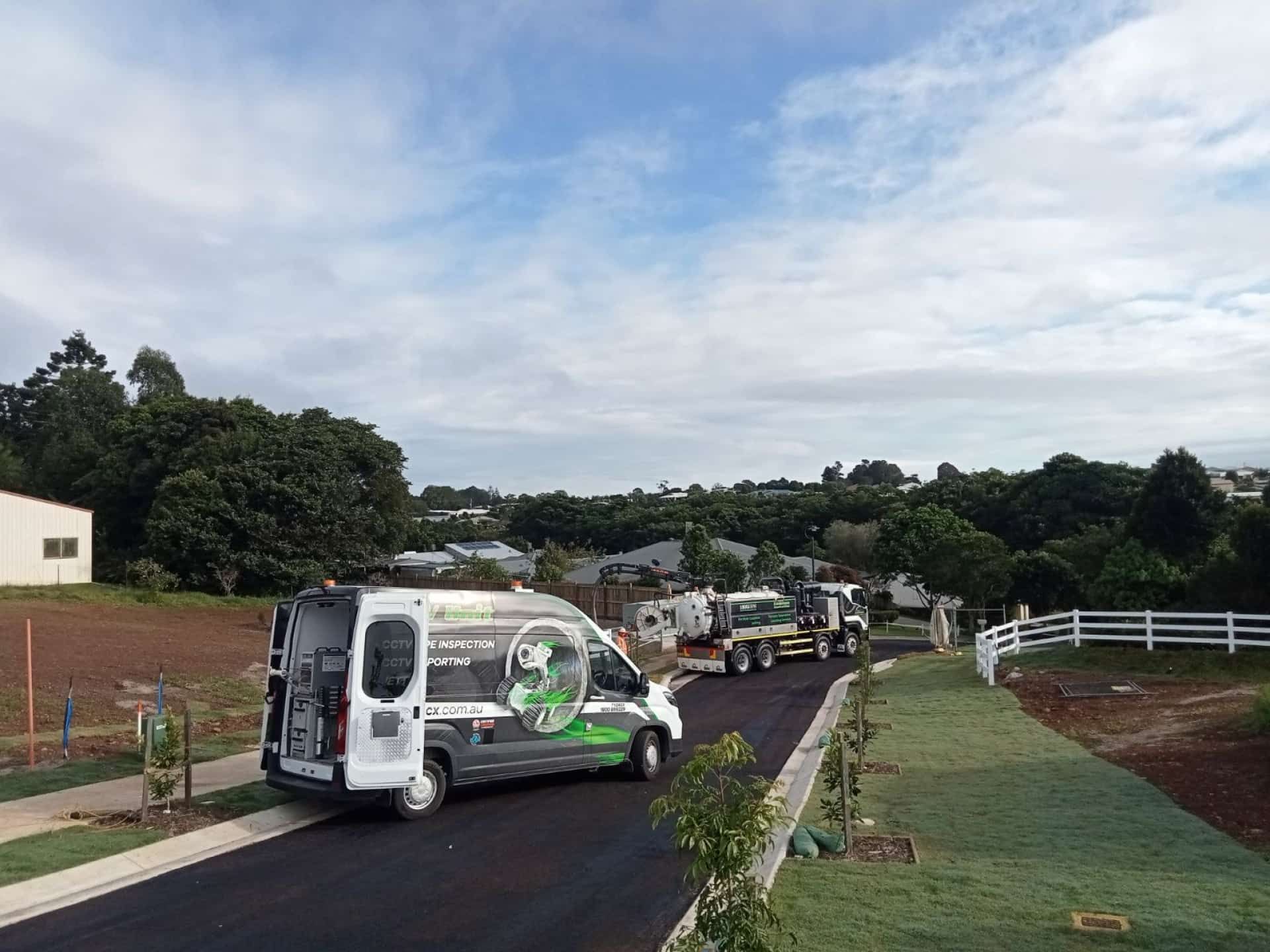
Tyzac Group has been delivering hydro and vacuum excavation across the Sunshine Coast and surrounding South East Queensland regions for residential, commercial, industrial and civil projects, backed by a fleet of vacuum excavators ranging from 3,000L to 8,000L capacity to suit projects of any size.
Beyond excavation itself, our team also provides underground service locating, drain jetting and CCTV pipe inspection, giving contractors and property owners a genuinely joined-up approach to safe excavation Sunshine Coast projects require.
If you're planning a project that involves digging near underground infrastructure,
get in touch with our team to discuss the right approach, equipment and timeline for your specific site.
FAQs
What's the main advantage of hydro excavation over traditional digging methods?
Hydro excavation is significantly less likely to damage underground utilities like pipes and cables, since it uses pressurised water rather than mechanical force to break up soil, allowing for precise, controlled exposure of buried infrastructure.
How do I know if a hydro excavation company has the right equipment for my project?
Ask about their fleet's capacity range and how they match truck size to project scope. A provider offering a range of equipment sizes, rather than a single one-size-fits-all truck, is generally better equipped to handle projects of varying scale.
Is hydro excavation suitable for both small residential jobs and large civil projects?
Yes, hydro excavation scales well across project types, from residential service locating through to larger commercial, civil and utility works, provided the provider has the operator experience and equipment range to match.
Why does local experience matter when choosing a hydro excavation provider?
Local providers are typically more familiar with regional soil conditions, common underground infrastructure layouts, and council requirements, which can translate into smoother project planning and fewer unexpected complications.
What should I look for in a hydro excavation company's safety practices?
Look for clear communication about how they plan around known and unknown underground services, proper operator training specific to hydro excavation, and a track record of safe outcomes across similar project types to yours.