What Types Of Projects Require Professional Trench Excavation?
Professional trench excavation is commonly required for installing or repairing underground utilities, pipelines, drainage, irrigation and civil infrastructure. On sites containing existing pipes or cables, careful planning and appropriate excavation methods are particularly important. Trench excavation on the Sunshine Coast can help create the access required while managing site conditions and existing underground assets.
From a narrow conduit run to larger civil works, the right trenching method depends on what is being installed, what already lies underground and how much room is available to work.
What Is Trench Excavation And Why Does It Need Careful Planning?
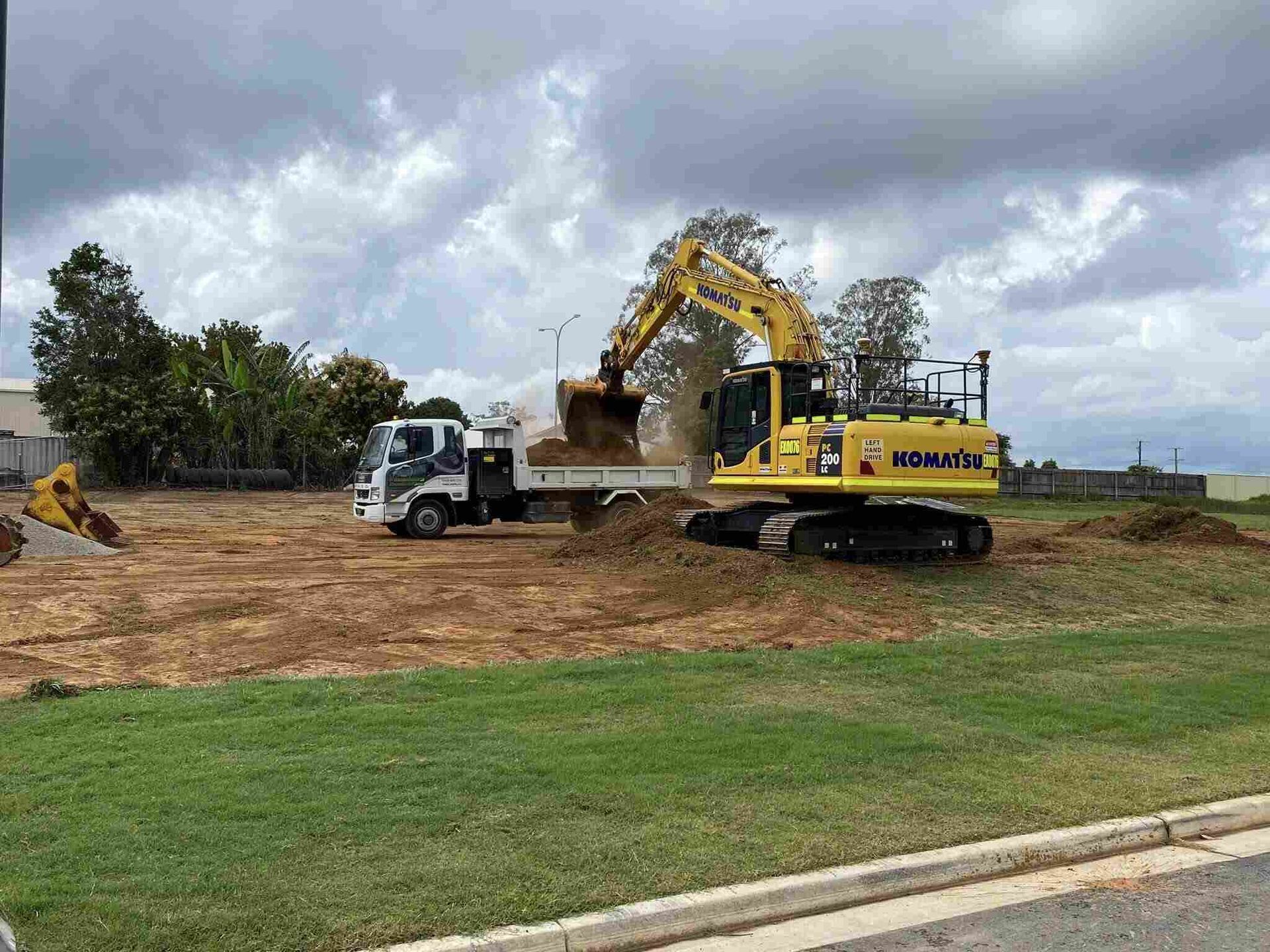
Trench excavation involves removing soil to create a narrow excavation, typically for installing, exposing, repairing or replacing underground infrastructure.
The job can appear straightforward until existing services enter the picture. Electricity, telecommunications, water, gas, sewer and drainage infrastructure may already cross the proposed excavation area. Before work starts, contractors need to understand factors such as:
- The required trench route, depth and width
- Existing underground utilities
- Ground and site conditions
- Access for excavation equipment
- Nearby structures and infrastructure
- Spoil and material management
- The appropriate excavation method
According to industry best practice, excavation planning should account for known and potential underground services before ground is disturbed. Accurate underground service location can help identify existing infrastructure so the trench route and excavation approach can be planned accordingly.
Utility Installations: Electrical, Gas And Telecommunications Services
New electrical conduits, gas infrastructure and telecommunications services often require trenches to carry them between connection points.
These projects can involve new developments, commercial properties, subdivisions and upgrades to existing infrastructure. The challenge is that new utilities frequently need to pass through areas already containing services.
For example, an electrical contractor installing new conduit across an established commercial property may need to cross areas containing water and telecommunications infrastructure. Excavating mechanically without first establishing where those assets are located could increase the risk of a service strike.
Slot trenching and non-destructive excavation can be useful where a narrow, controlled excavation is required or where existing assets need to be exposed before other excavation proceeds.
The goal is not simply to dig from one point to another. It is to establish a practical route while protecting existing infrastructure and giving the installation contractor the access required.
Water, Sewer And Drainage Pipeline Projects
Water, sewer and drainage projects are another common reason for professional trench excavation. New pipelines need trenches that suit the required route and installation. Existing infrastructure may also need to be exposed for repair, replacement or connection work.
Established sites can make these jobs more complicated. A damaged sewer line, for example, may sit beneath an area where several other utilities have since been installed.
In these circumstances, excavation methods need to reflect what is around the target pipe. Hydro or vacuum excavation may be used to expose services and remove material in sensitive areas before other work proceeds. Professional trenching can support projects such as:
- New water services
- Sewer connections and replacements
- Drainage lines
- Pipe repairs and upgrades
- Commercial and civil pipeline installations
Where excavation is occurring around known utilities, identifying and exposing those assets carefully can reduce unnecessary uncertainty during the project.
Stormwater Infrastructure And Irrigation Systems
Managing water around a property or development often requires underground infrastructure, from stormwater pipes to irrigation lines. Stormwater projects can involve trenches for pipes connecting pits, drains and discharge points. Commercial landscaping, sporting facilities, developments and other large sites may also require irrigation infrastructure covering substantial areas.
The route matters. A trench may need to pass through landscaped areas, existing hardstand or locations containing other services. Imagine a commercial property upgrading its stormwater system after recurring drainage issues. The proposed pipe route crosses an established section of the site containing electrical and communications services.
Locating and exposing those assets first allows the excavation team to understand where they sit before opening the wider trench. This is where professional trench planning can prevent a relatively straightforward drainage project from creating problems elsewhere on the property.
Roadworks And Civil Construction Projects
Civil construction regularly requires excavation for infrastructure below or alongside roads, footpaths and developed areas. Trenching may support drainage, utility installation, service upgrades and other underground works associated with road and development projects.
These environments can be particularly constrained. Contractors may be working around existing utilities, traffic areas, structures and other construction activities, so excavation needs to integrate with the broader project sequence.
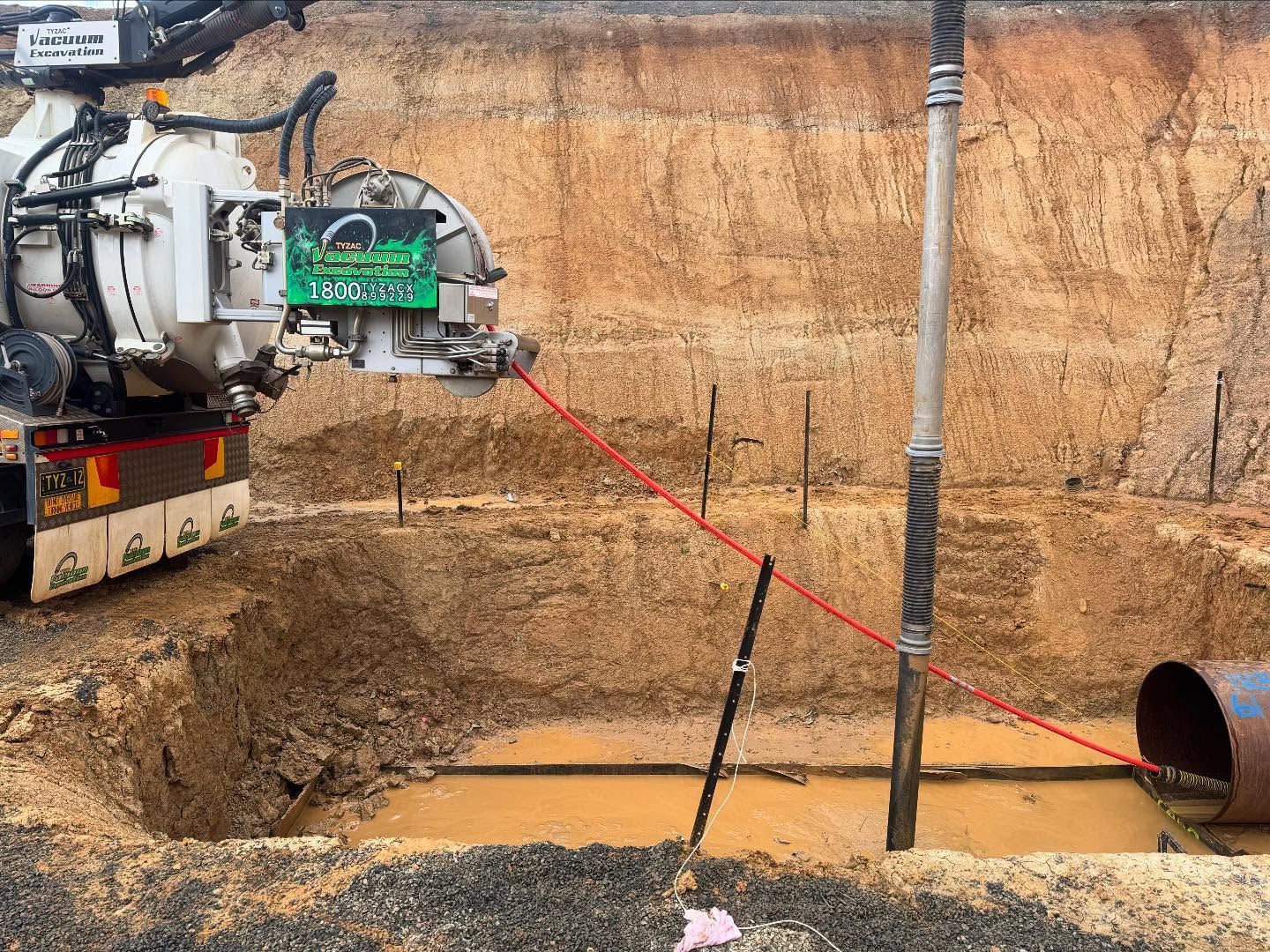
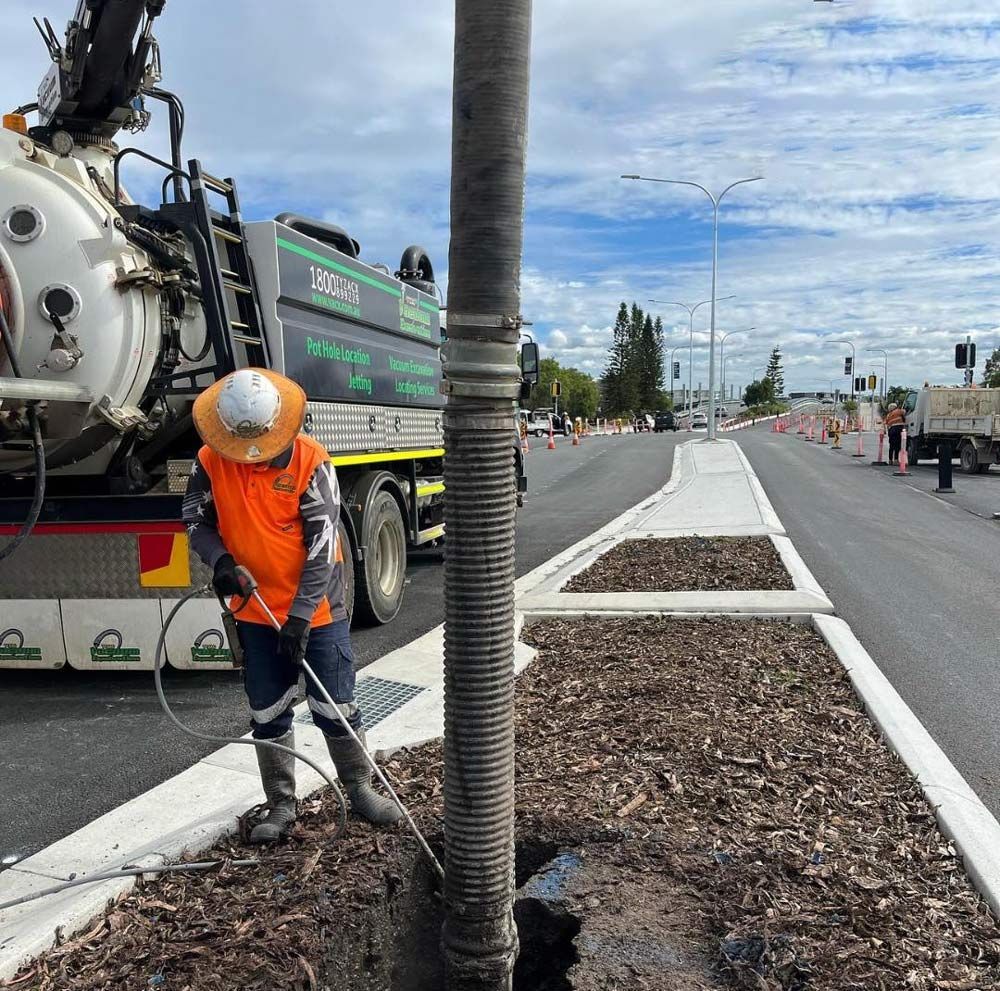
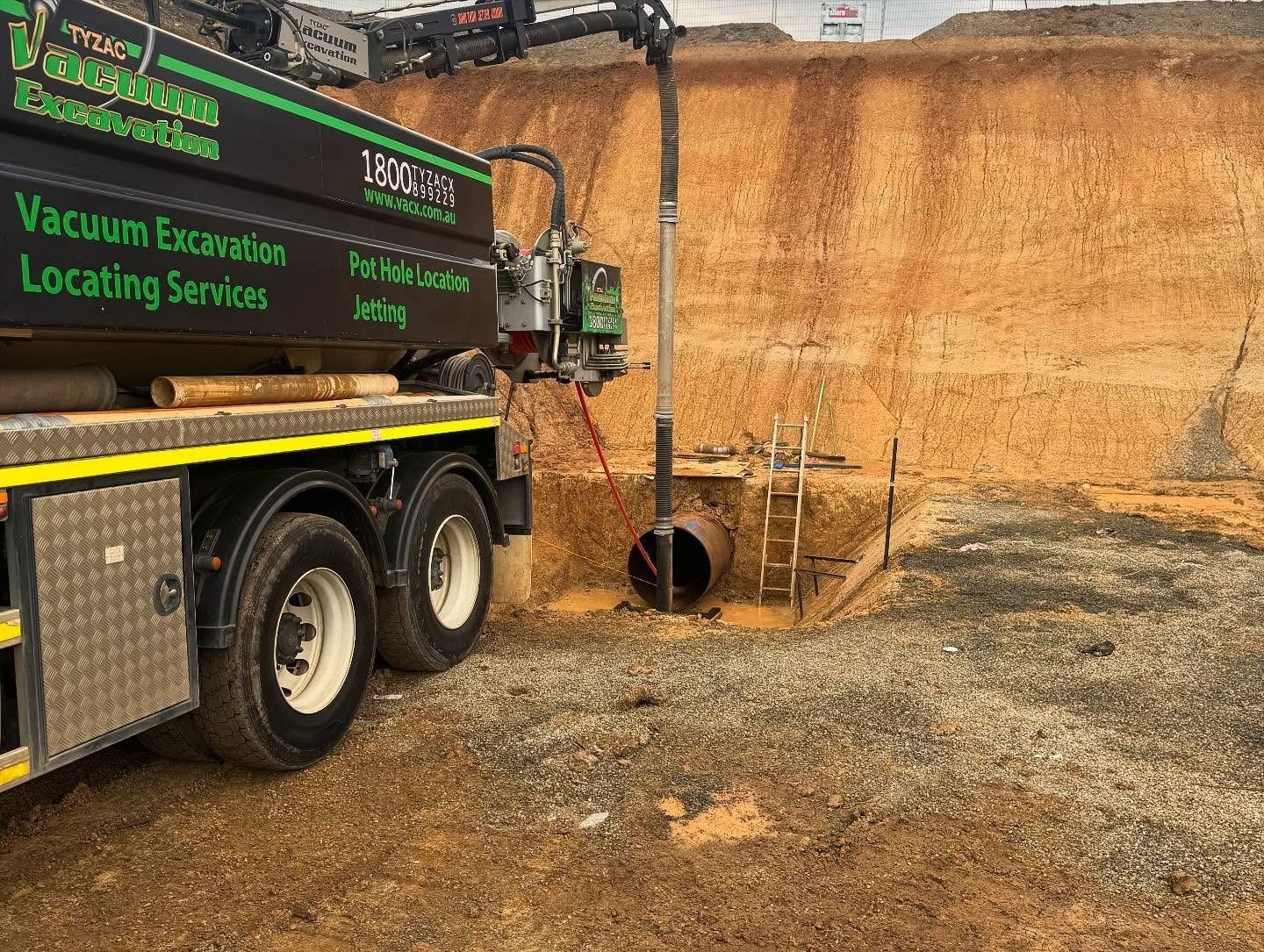
Vacuum excavation can be particularly useful during investigation and service exposure. Instead of relying solely on plans or assumptions about where an asset should be, crews can expose the infrastructure at critical points before more extensive excavation occurs.
For trenches close to sensitive or existing services,
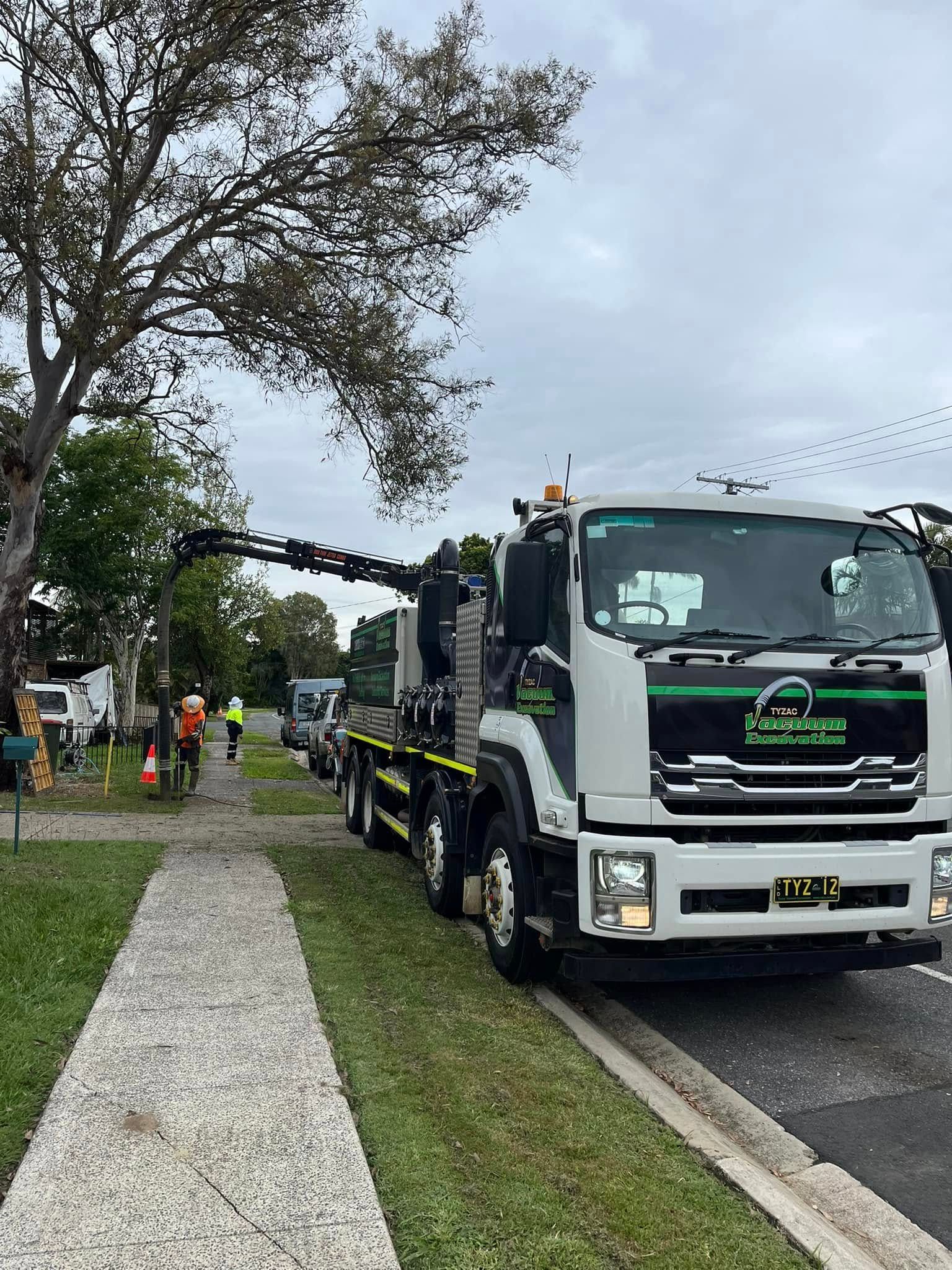
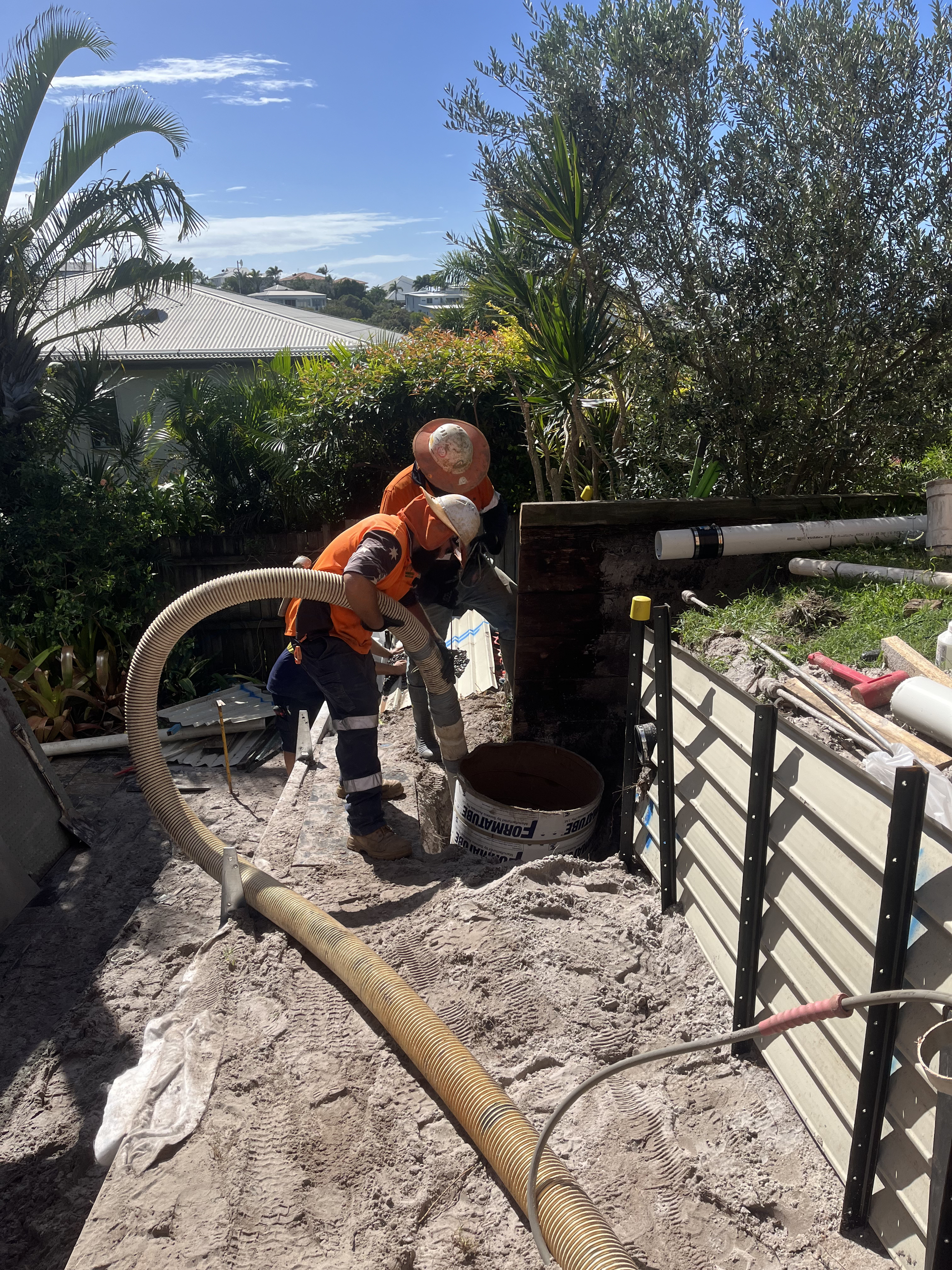
vacuum excavation on the Sunshine Coast can provide a non-destructive excavation option using pressurised water and vacuum suction to break up and remove soil.
How Professional Contractors Reduce The Risk Of Underground Asset Strikes
Underground asset strikes can interrupt services, damage infrastructure and create serious hazards. Reducing that risk starts before the trench is opened.
Plans and service information provide an important starting point, but site conditions still need to be assessed. Contractors may use underground service locating and non-destructive excavation to establish the position of infrastructure in the work area. A planned process can involve:
- Reviewing the proposed excavation area. The contractor establishes the trench route and site constraints.
- Identifying known services. Available utility information and site knowledge help establish what may be underground.
- Locating underground assets. Suitable locating methods can help determine where services run.
- Carefully exposing critical services. Vacuum excavation can uncover assets at selected points without relying on aggressive mechanical digging immediately around them.
- Planning the excavation around confirmed conditions. Once the site is better understood, the appropriate trenching method can be selected.
This approach is particularly important where several utilities share a confined corridor. Our guide to protecting underground assets explains why careful excavation around existing infrastructure should be built into project planning rather than treated as an afterthought.
When To Engage A Professional Trench Excavation Company
Professional trench excavation is worth considering whenever the work involves buried utilities, significant excavation, constrained access or integration with a wider construction project.
Builders and subcontractors may also need specialist excavation support where conventional machinery is unsuitable around sensitive underground assets. Consider engaging an experienced contractor when:
- The trench runs near known or suspected services
- Utility installation requires a controlled excavation
- Existing pipes or cables need to be exposed
- The project requires hydro or vacuum excavation
- Access is restricted
- The excavation forms part of civil works
- Multiple trades need to work around the trench
Early involvement can be valuable. Waiting until excavation has already started to investigate an unexpected service can interrupt the project and require the work method to be reconsidered.
Planning Your Next Trenching Project On The Sunshine Coast
Successful trenching starts with understanding what needs to go underground and what is already there. Before excavation begins, confirm the intended route, required dimensions, site access and known underground services. Where necessary, service locating and non-destructive excavation can provide additional information before broader excavation proceeds.
The key takeaway is that professional trench excavation is not just about moving soil. It combines planning, service awareness and an excavation method suited to the infrastructure and conditions on-site.
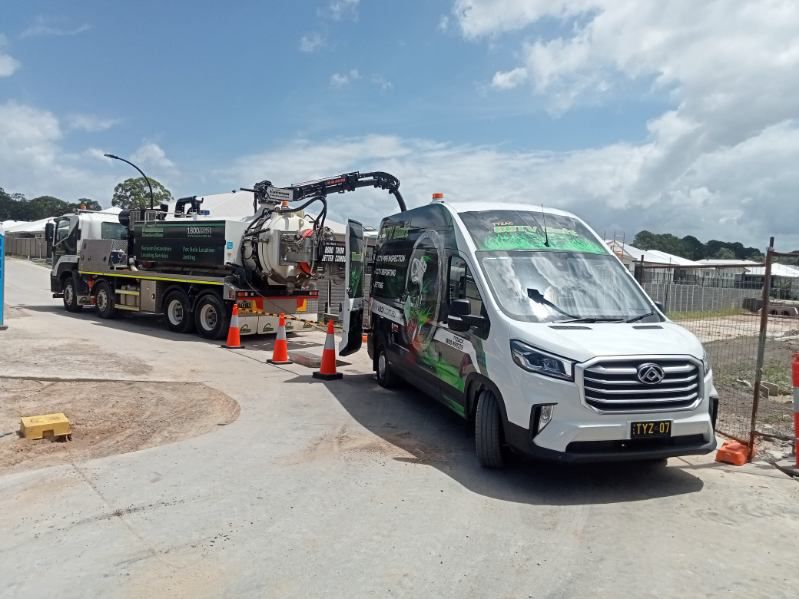
Tyzac Group provides trenching, hydro and vacuum excavation and underground service locating for civil contractors, builders, utility providers and commercial projects. For professional trench excavation on the Sunshine Coast, contact the Tyzac Group team to discuss your site, required trench route and existing underground infrastructure.
FAQs
What projects commonly require trench excavation?
Trenching is commonly used for electrical and telecommunications conduit, water and sewer pipelines, drainage, stormwater infrastructure, irrigation and civil works. The excavation method depends on the installation and existing site conditions.
What is slot trenching?
Slot trenching creates a relatively narrow excavation, often for installing or investigating underground utilities. It can be useful where a controlled trench is required with less disturbance than a wider excavation.
Why use vacuum excavation around underground services?
Vacuum excavation uses pressurised water and suction to loosen and remove soil. It can provide a more controlled, non-destructive method for exposing existing underground assets than excavating immediately around them with conventional mechanical equipment.
Should underground services be located before trenching?
Existing underground infrastructure should be considered during excavation planning. Appropriate service information and locating methods can help contractors understand the work area before excavation begins.
Can vacuum excavation and conventional trenching be used on the same project?
Yes. Different excavation methods can complement each other. Vacuum excavation may be used to locate or expose sensitive services before other suitable excavation equipment completes sections of the trench away from those assets.