Protecting Underground Assets With Professional Vacuum Excavation
In developed areas like the Sunshine Coast, the density of buried services beneath any site can be significant. Water mains, gas lines, high-voltage cables, telecommunications conduits, sewer pipes and stormwater drainage share the subsurface, often without precise location records that reflect decades of incremental installation and modification.
When excavation begins without a clear picture of what’s below, the risk of striking a buried service is real. Damage to a gas line or high-voltage cable can be life-threatening. Vacuum excavation on the Sunshine Coast provides a non-destructive alternative that exposes underground assets safely and accurately, without the risks that conventional equipment carries.
How Vacuum Excavation Works
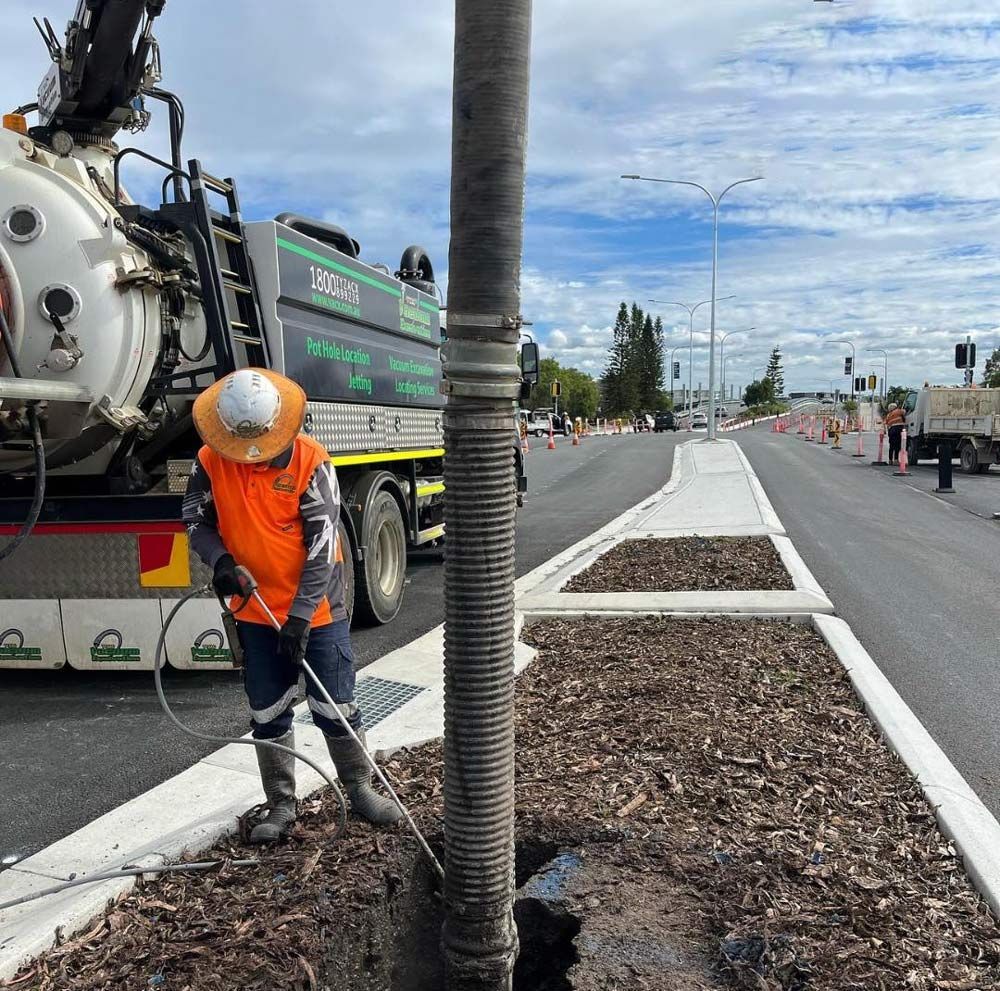
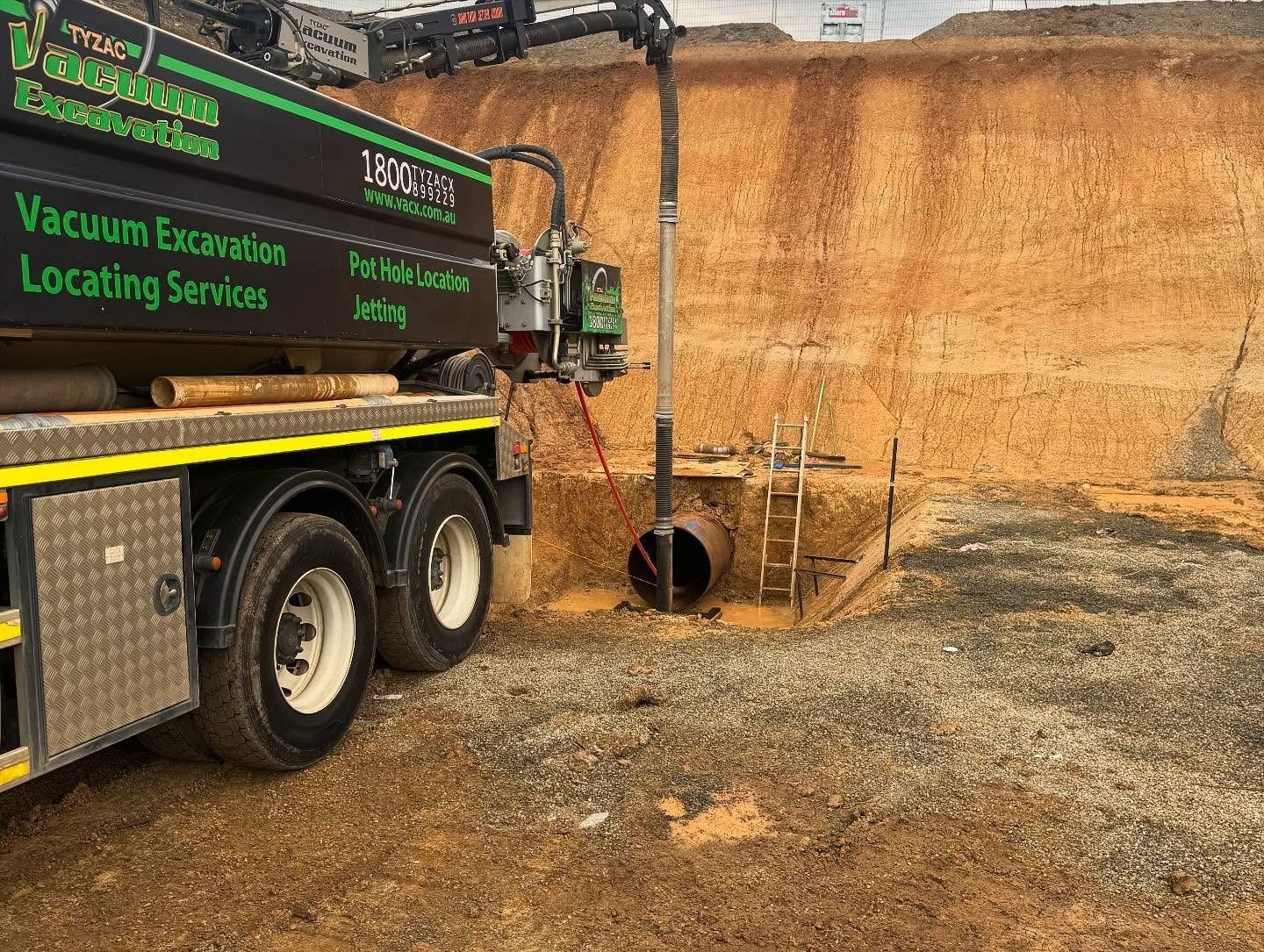
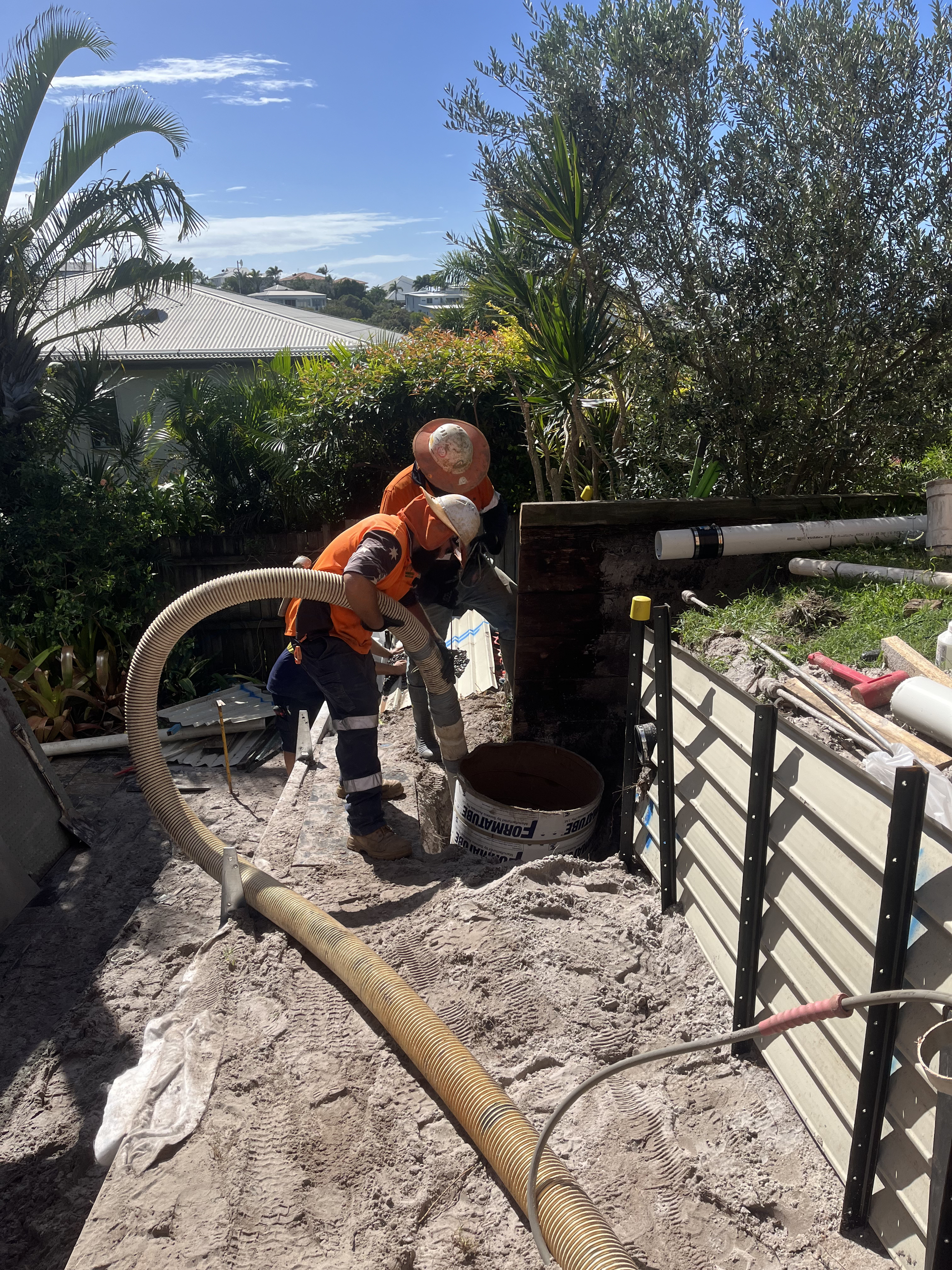
Vacuum excavation uses high-pressure water or compressed air to loosen soil, combined with a powerful vacuum system that extracts spoil into a debris tank on the truck. The result is a controlled, precise excavation that exposes buried services without any mechanical contact that could damage a buried pipe or conduit.
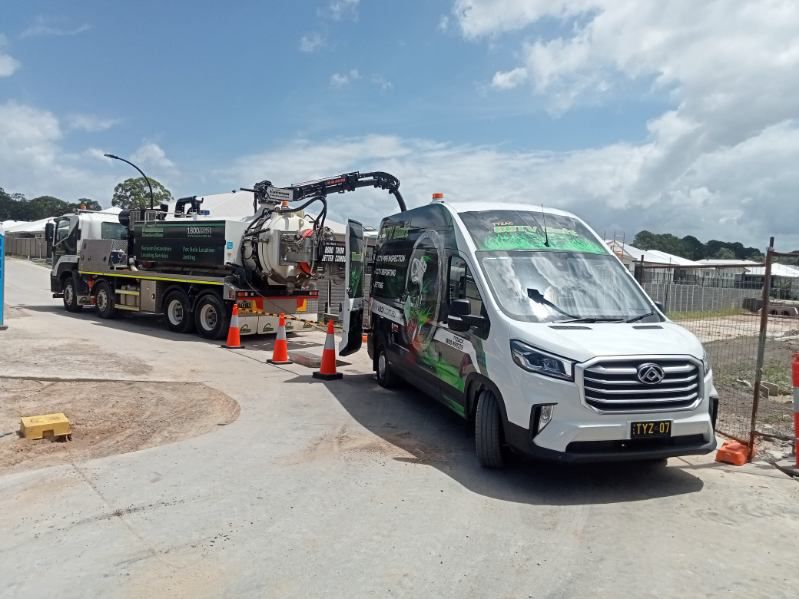
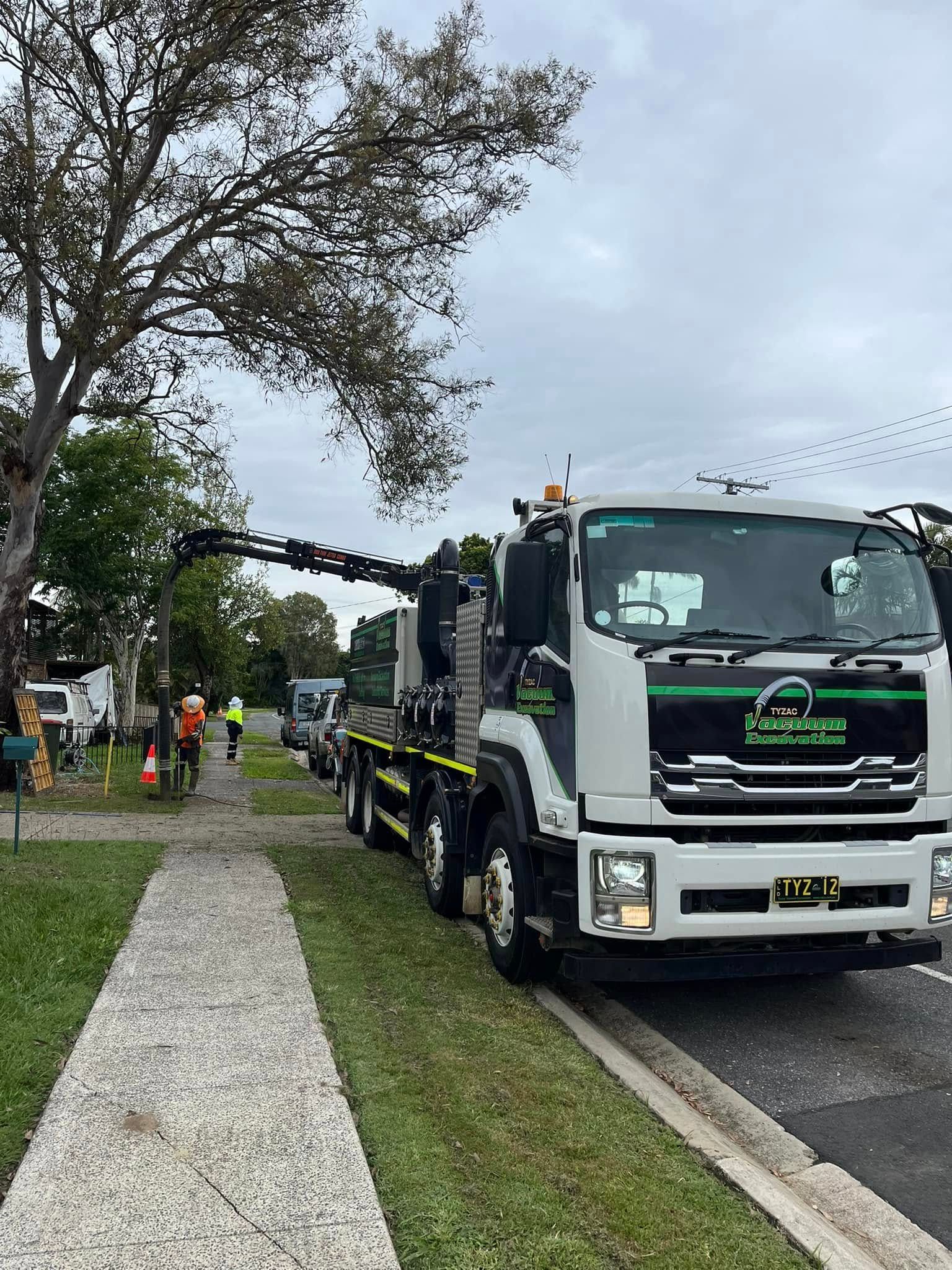
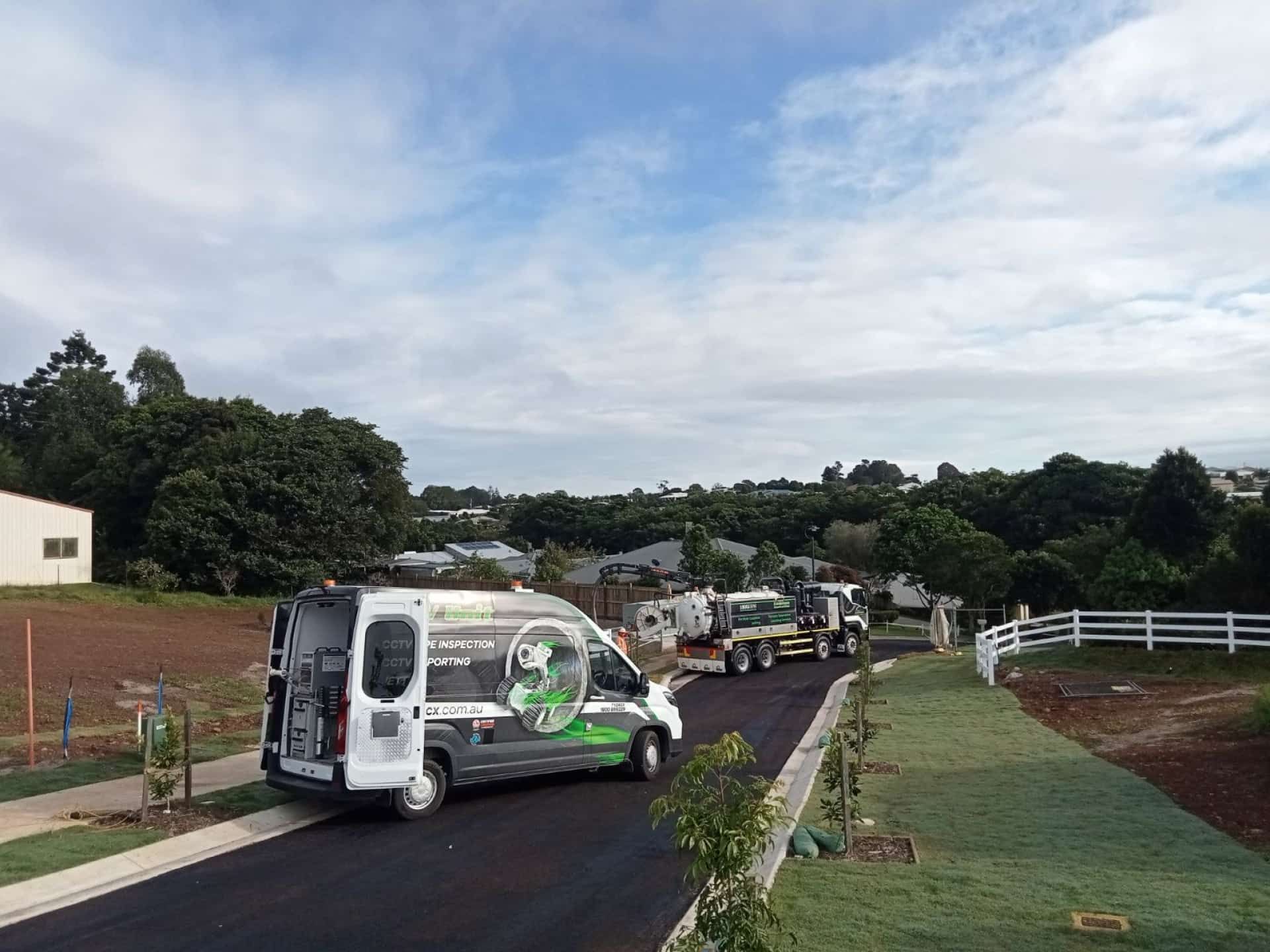
The equipment is mounted on a purpose-built vac truck that carries all components in a single integrated system. This makes vacuum excavation practical in confined locations and built-up areas where standard excavation equipment has limited access.
What Vacuum Excavation Protects Against
The underground assets at risk in any excavation project include the full range of utilities that service residential, commercial and industrial properties. Each carries its own risk profile if struck by conventional excavation equipment:
- Gas lines: a strike can result in immediate gas release with significant explosion and fire risk. Gas infrastructure is particularly sensitive to any mechanical contact
- High-voltage electrical cables: contact with an energised cable can be fatal and results in immediate shutdown of supply to affected areas while emergency repairs are carried out
- Water mains: damage to a pressurised main causes rapid flooding of the excavation and surrounding area, and supply disruption to connected properties
- Telecommunications conduits: damage to fibre or copper telecommunications infrastructure can affect large numbers of users and involves complex multi-party repair processes
- Sewer mains: damage releases sewage and requires immediate shutdown, bypass pumping and repair before the line can return to service
Why Underground Service Locations Can’t Always Be Trusted
The Dial Before You Dig service provides asset location information from registered utility owners, and consulting it before any excavation is both good practice and a legal requirement under the model work health and safety regulations. However, the information provided is based on the records held by each asset owner, and those records have limitations.
Services installed decades ago may have been shifted or extended without records being updated. On the Sunshine Coast, where coastal and urban development has involved extensive subsurface work over many decades, the real location of a buried service can differ meaningfully from its recorded position. Vacuum excavation physically confirms actual location.
Service Locating and Potholing: The Primary Use Cases
The most common application for vacuum excavation on the Sunshine Coast and across Queensland is service locating — also known as potholing. A pothole is a small, targeted excavation that exposes a buried service at a specific point to confirm its exact location, depth and condition before broader excavation work proceeds.
Potholing is used extensively for:
- Confirming the exact depth and horizontal position of a gas main before civil works begin above or alongside it
- Verifying the location of telecommunications conduits before directional drilling operations that could otherwise clip them
- Exposing water and sewer connections on private properties before renovation or extension works
- Checking the condition of existing infrastructure at specific points before decisions are made about repair versus replacement
- Providing physical confirmation of service locations for engineering certification purposes on projects where records are insufficient
A series of potholes along a planned route gives the project team physical confirmation before major earthworks begin — significantly more reliable than records alone.
Vacuum Excavation in Civil and Infrastructure Projects
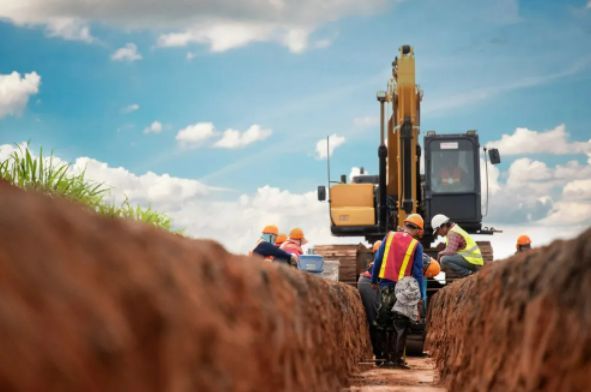
Beyond service locating, vacuum excavation is used across civil and infrastructure applications where precision and reduced surface impact matter. On the Sunshine Coast, this includes utility installation near existing services, civil construction in shared road reserve corridors, and rehabilitation projects requiring exposure of existing infrastructure for inspection or connection.
For councils and utility providers, vacuum excavation in road reserve reduces the risk of damaging adjacent services owned by other authorities — a significant liability consideration. A damage event involving another authority’s infrastructure typically involves complex repair coordination and cost recovery processes.
Worker Safety and Regulatory Context
Safe excavation practices around buried services are governed under Queensland’s Work Health and Safety Act and the Code of Practice for Excavation, which requires identifying, locating and protecting underground services before and during any excavation.
Vacuum excavation supports compliance with these requirements in specific ways:
- Non-destructive exposure of services eliminates the mechanical strike risk that conventional excavation methods carry
- Physical confirmation of service locations reduces reliance on plans and records that may not accurately reflect actual conditions
- The process supports the documentation of actual service locations that can be referenced throughout the project and retained for future works
- Reduced excavation footprint minimises the area of ground disturbance, which reduces both the exposure area and the extent of any reinstatement required
For principal contractors, vacuum excavation is increasingly specified as a standard requirement near identified services, because the liability consequences of a strike — to workers and property — are significant.
When Vacuum Excavation Is the Right Choice
Vacuum excavation is the right approach wherever the consequences of damaging a buried service are significant, the exact location is uncertain, or precision of exposure matters to the subsequent scope. This spans from a plumbing contractor exposing a sewer connection at a residential property to a civil contractor potholing across a major road corridor before a highway upgrade.
The cost of vacuum excavation, relative to the cost of a damaged utility, a service outage or a safety incident, is consistently favourable. For contractors who manage liability carefully, the decision is straightforward.
Choosing an Experienced Vacuum Excavation Operator
The effectiveness of vacuum excavation depends on the operator's experience and judgement. Reading the site, selecting the appropriate excavation method for the conditions, managing pace to avoid over-excavating and working within site safety protocols are all decisions made continuously throughout the job.
On the Sunshine Coast, where projects range from coastal residential work to major civil infrastructure, an operator who understands local soil conditions, the regional utility landscape and the coordination requirements of built-up coastal sites brings practical value that goes beyond the machine itself.
Vacuum Excavation and Vac Truck Services on the Sunshine Coast
VACX provides professional vacuum excavation and vac truck services across the Sunshine Coast and surrounding region for civil contractors, utility providers, plumbing and electrical contractors, councils and project managers. Our operators are experienced across service locating, potholing, trenching and utility exposure applications in residential, commercial and civil settings.
Contact VACX to discuss your project requirements and arrange a site assessment or quote.