How Vacuum Excavation Supports Utility Relocation Projects

Tyzac Group • November 9, 2026

Utility relocation projects require careful planning, particularly when existing pipes, cables and drainage systems need to be moved without disrupting surrounding infrastructure. Vacuum excavation on the Sunshine Coast helps contractors locate, expose and verify underground assets before relocation work begins, reducing the risk of damage and costly delays.


At Tyzac Group, we provide non-destructive excavation solutions that support civil construction, infrastructure upgrades and utility relocation projects across the Sunshine Coast.

What Utility Relocation Involves and Why Precision Matters

Utility relocation involves moving or modifying underground infrastructure to accommodate construction, roadworks, property developments or network upgrades. These projects often require contractors to work around multiple services within a limited excavation area.


Common utilities requiring relocation include:


  • Water mains: Repositioning pipelines for new infrastructure.
  • Sewer lines: Diverting wastewater systems during construction.
  • Gas pipelines: Exposing infrastructure before authorised relocation.
  • Electrical cables: Identifying buried power infrastructure before relocation work.
  • Telecommunications: Exposing fibre-optic cables and communication conduits.
  • Stormwater drainage: Adjusting drainage networks to suit new developments.


Unlike excavation on undeveloped land, utility relocation requires an accurate understanding of existing underground infrastructure.


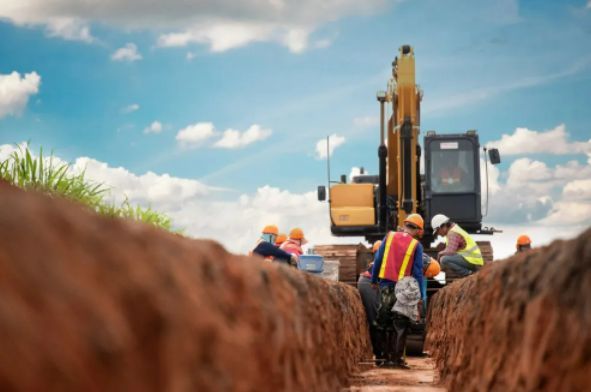
For example, a Sunshine Coast road upgrade may require a stormwater pipe to be repositioned while electrical cables remain operational nearby. Without accurate service identification, excavation could damage existing infrastructure and delay construction.

Locating and Verifying Underground Services Before Work Begins

Accurate service identification is essential before utility relocation begins. Contractors must establish where existing infrastructure is located and how it may affect proposed works.


Utility plans provide useful information, but recorded positions may differ from actual site conditions due to previous repairs, upgrades or undocumented changes.


At Tyzac Group, our underground service location services help contractors identify buried infrastructure before excavation progresses.

Why Physical Verification Matters

Locating equipment helps identify underground utilities, while non-destructive excavation allows crews to visually confirm their positions.


This process can establish:


  • Actual service depths and alignments
  • Locations where multiple utilities intersect
  • Available clearance around existing infrastructure
  • Potential conflicts with proposed relocation routes
  • Areas requiring additional excavation precautions


Physical verification helps engineers and contractors assess whether a proposed relocation route is practical before extensive excavation begins.

Potholing and Trenching Around Live Assets

Potholing and trenching serve different purposes during utility relocation. Both can use vacuum excavation techniques to provide greater control around existing infrastructure.

Potholing for Utility Verification

Potholing involves creating a small, targeted excavation to expose an underground service without unnecessarily disturbing surrounding ground.


It is particularly useful for confirming pipe depths, cable positions, utility connections and available space for new infrastructure.


For example, before relocating a water main, potholing can verify its position where it crosses existing electrical infrastructure. This information helps contractors plan clearances and excavation methods.

Precision Trenching for New Utility Routes

Once services have been identified, trenching may be required to prepare sections of the proposed relocation route.


Vacuum excavation can create narrow trenches or expose sensitive areas where mechanical excavation presents additional risks.


Contractors may also combine vacuum excavation with conventional machinery. Mechanical equipment can handle suitable open sections, while vacuum excavation provides controlled digging near identified services.

How Hydro Vacuum Excavation Reduces Risk During Relocations

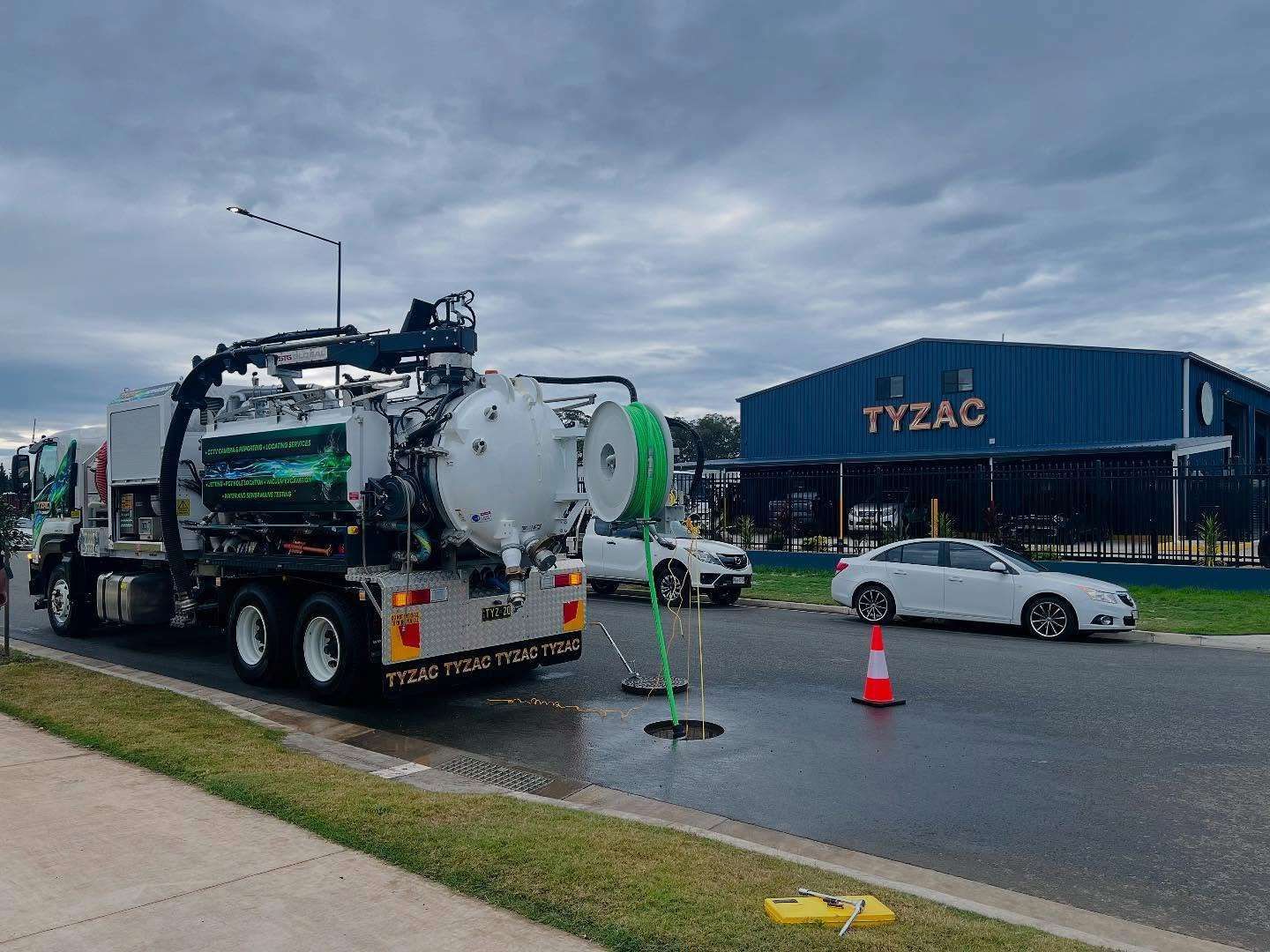
Hydro vacuum excavation uses pressurised water to loosen soil before a powerful vacuum transfers the resulting slurry into a collection tank.


Unlike conventional excavation methods using mechanical buckets, this process allows operators to remove material progressively around underground infrastructure.

Reducing Accidental Asset Strikes

An excavator bucket can damage pipes or cables when their positions differ from recorded information. Vacuum excavation reduces this risk by allowing more controlled soil removal around identified assets.


However, non-destructive digging does not eliminate every hazard. Appropriate equipment settings, service identification and asset-owner requirements remain essential, particularly around electrical and gas infrastructure.

Supporting Excavation Safety

For contractors prioritising excavation safety on the Sunshine Coast, controlled exposure reduces uncertainty around buried services. It can also limit unnecessary ground disturbance.


Learn more about protecting underground assets through professional vacuum excavation.

Minimising Service Interruptions and Keeping Projects on Schedule

Utility relocation often involves infrastructure that must remain operational until planned connections or shutdowns take place.


Accidental damage can interrupt essential services, affect neighbouring properties and create additional work for contractors.


Vacuum excavation supports project continuity by helping teams verify infrastructure before relocation activities begin..

Reducing Unexpected Delays

Early asset identification allows project managers to address potential conflicts before installation crews arrive.


For example, if potholing reveals a telecommunications conduit within a proposed stormwater trench, the project team can review the alignment before extensive excavation begins.


This may reduce rework, equipment downtime and unexpected changes to construction schedules.

Supporting Planned Shutdowns

Some relocations require temporary service interruptions while authorised contractors complete connections.


Accurate asset exposure helps utility teams identify access points and prepare for these activities. Although vacuum excavation cannot eliminate planned shutdowns, it supports better coordination.

Managing Congested Work Areas

Targeted excavation can also minimise disturbance in areas shared by multiple contractors.


Collected spoil is transferred into the vacuum truck rather than accumulating around exposed services, helping maintain a manageable work area.

When Vacuum Excavation Is the Right Method for Your Relocation Project

Vacuum excavation is particularly suitable when precision and asset protection are more important than removing large quantities of unrestricted soil.


Common applications include:


  • Congested underground networks: Working where multiple services share a narrow corridor.
  • Live utility crossings: Excavating near existing pipes or cables.
  • Restricted access: Working where conventional machinery has limited space.
  • Asset verification: Confirming service depths and alignments.
  • Sensitive surfaces: Limiting unnecessary ground disturbance.
  • Targeted trenching: Removing soil around selected utility routes.


However, vacuum excavation is not always the most efficient method for every project stage. Large-scale excavation in areas confirmed to be clear of services may be better suited to conventional machinery.


Ground conditions, excavation depth, access restrictions and spoil management requirements also influence equipment selection.


For contractors arranging vacuum excavation in Caloundra or planning projects elsewhere on the Sunshine Coast, assessing these factors early helps determine the appropriate approach.

Why Choose Tyzac Group for Vacuum Excavation on the Sunshine Coast?

At Tyzac Group, we understand that utility relocation projects depend on accurate excavation and effective coordination between contractors.


Established in 2012, we support civil, commercial, industrial and residential projects with non-destructive digging services.


Our capabilities include underground service locating, potholing, trenching and vacuum excavation, allowing us to assist with important stages of utility relocation preparation.


Whether you're preparing a new service alignment, exposing existing pipes or verifying underground assets, our team can discuss your project's excavation requirements.

Plan Your Utility Relocation With Tyzac Group

Successful utility relocation starts with understanding what lies beneath the work area. Combining accurate service locating, targeted potholing and controlled trenching helps contractors plan relocation activities with greater confidence.


At Tyzac Group, we provide vacuum excavation on the Sunshine Coast for utility relocation and infrastructure projects. Contact us today to discuss your project and request a quote.

Frequently Asked Questions

Can vacuum excavation be used around live electrical cables?

Does vacuum excavation replace the need for utility plans?

Can vacuum excavation be used in clay or compacted soil?

Who is responsible for relocating underground utilities?

How early should vacuum excavation be arranged?

Trench Excavation Sunshine Coast Construction Crew And Excavator
By Tyzac Group • September 30, 2026
Learn which projects need professional trench excavation on the Sunshine Coast, from utilities and drainage to pipelines and civil construction.
Hydro Excavation On The Sunshine Coast Using Specialised Vacuum Truck Equipment
By Tyzac Group • August 21, 2026
Choose the best provider for hydro excavation on the Sunshine Coast. Learn what to look for and make an informed decision. Read more today.
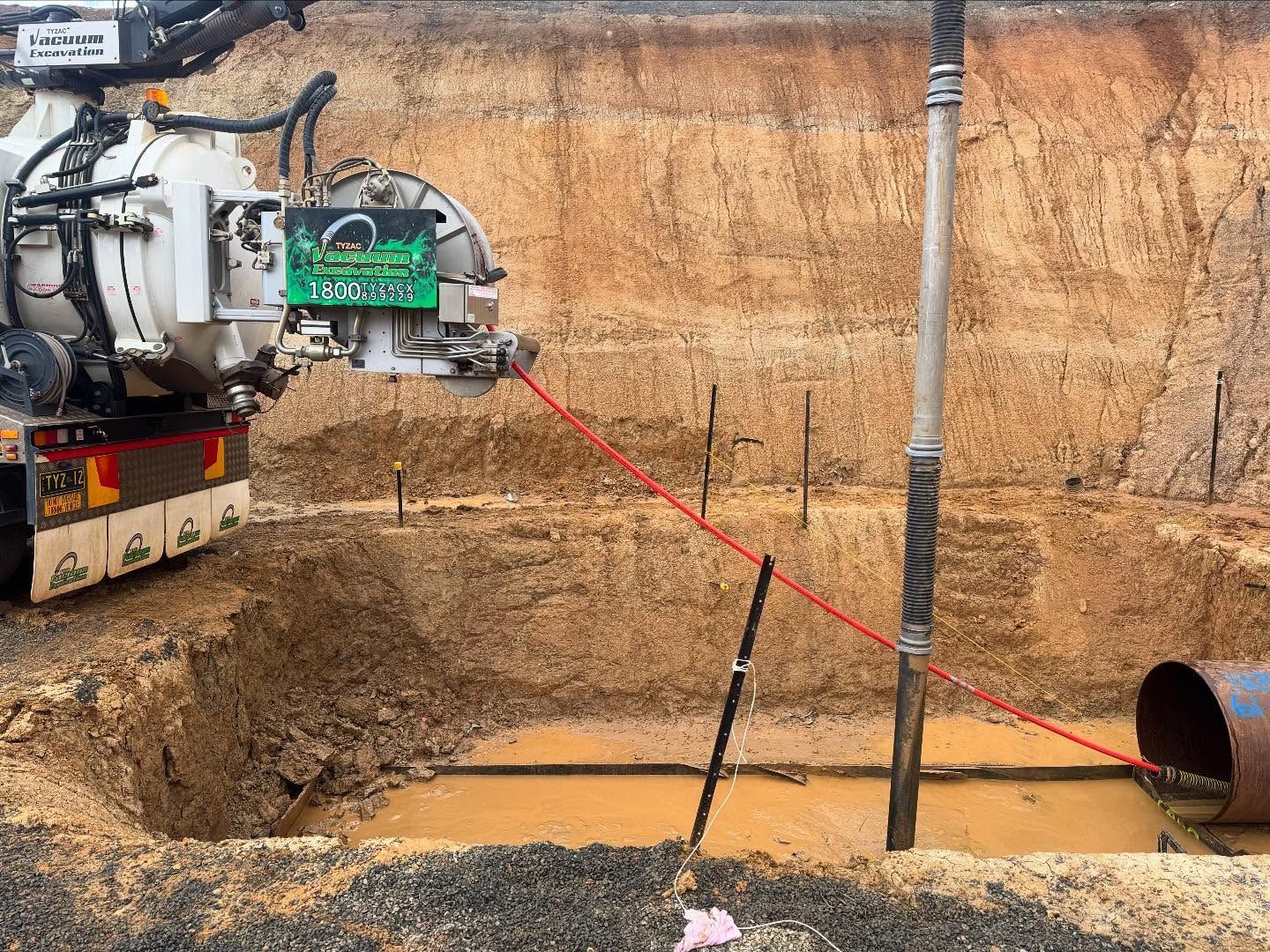
Construction equipment drilling beside exposed pipe for Vac Truck Sunshine Coast.
By Tyzac Group • July 17, 2026
Vac truck Sunshine Coast protects underground assets with safe excavation methods. Learn how it reduces risk and read more today.
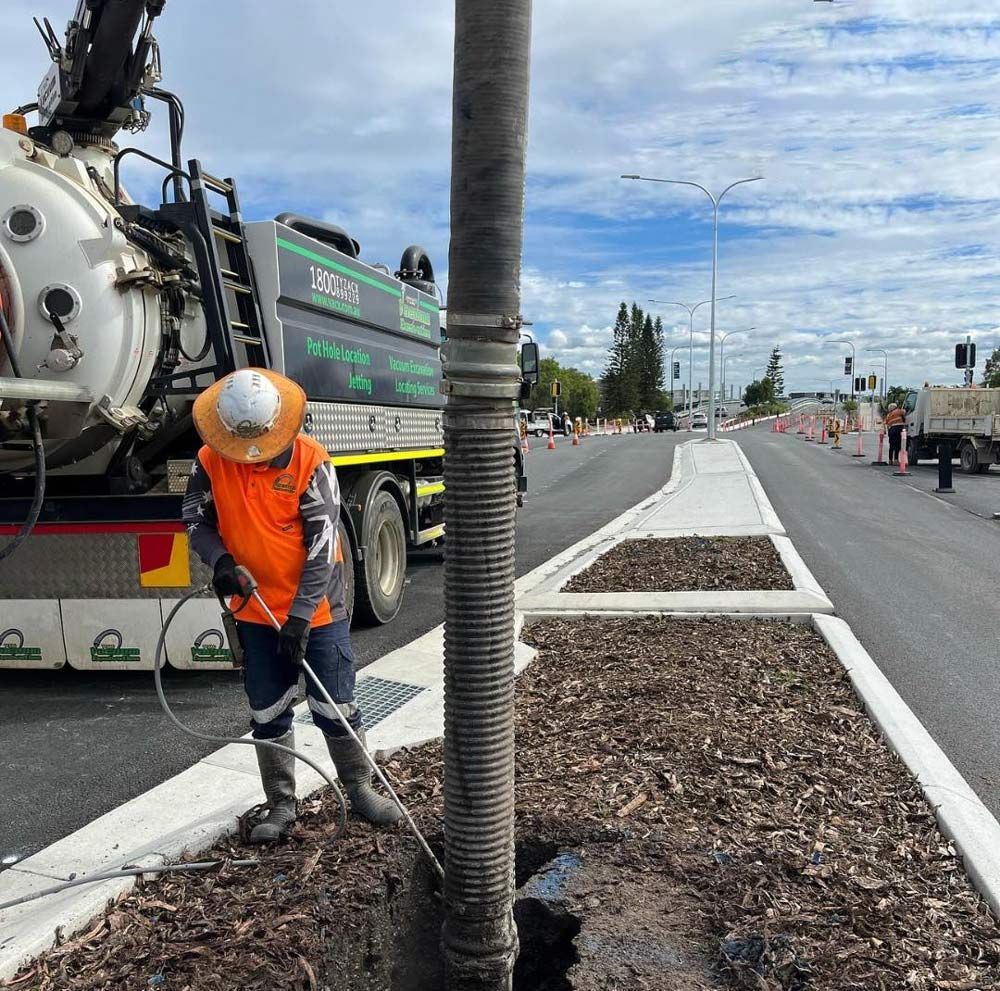
Hydro Excavation in A Construction Site
By Tyzac Group • June 12, 2026
Learn how hydro excavation in Sunshine Coast supports safe excavation, reduces site risks and protects utilities. Contact experts today.
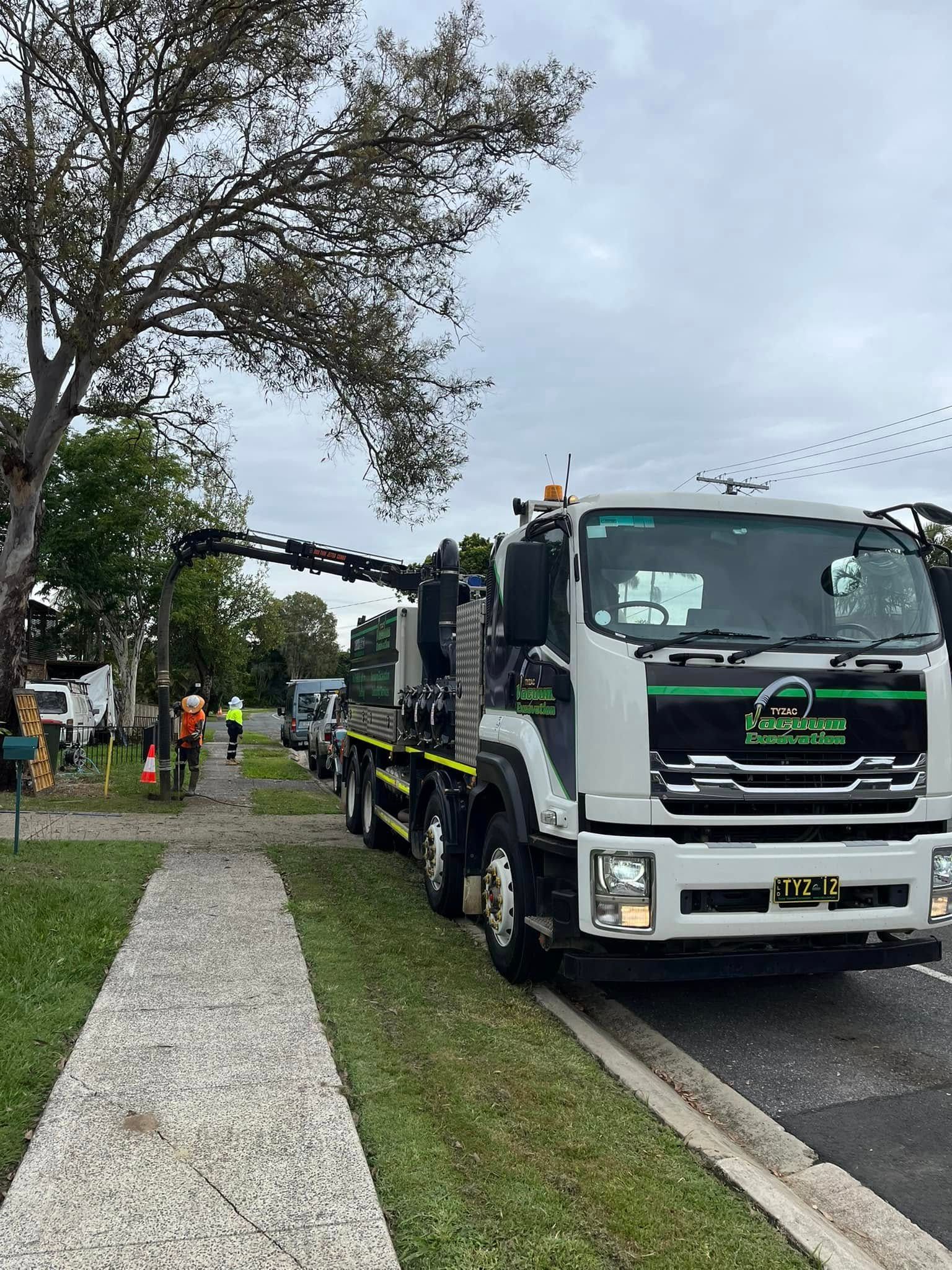
An Ongoing Vacuum Excavation In Sunshine Coast
By Tyzac Group • May 11, 2026
Avoid costly digging errors with vacuum excavation on the Sunshine Coast. Protect underground assets and contact experts today.
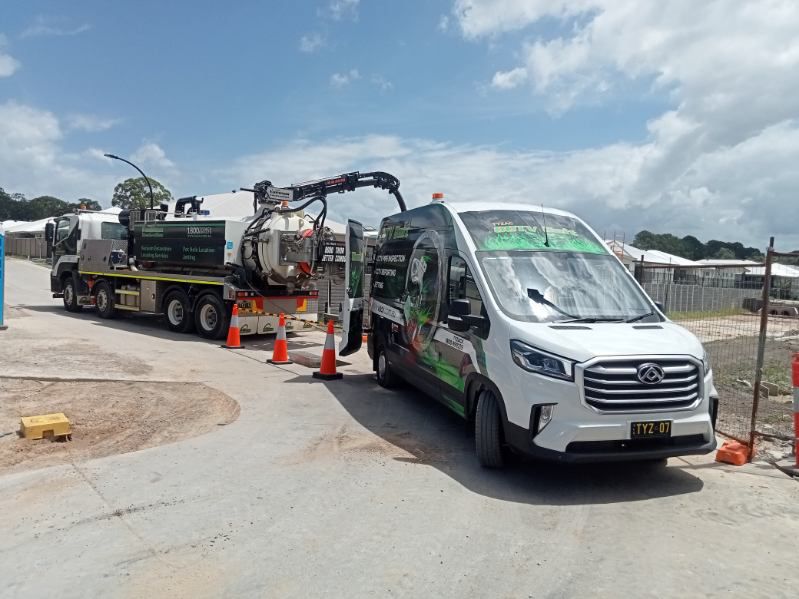
Vacuum Truck Parked With Workers In Safety Gear
By Tyzac Group • April 1, 2026
Discover when to use a vac truck on the Sunshine Coast for your construction projects. Improve safety, efficiency and site results. Call us today.
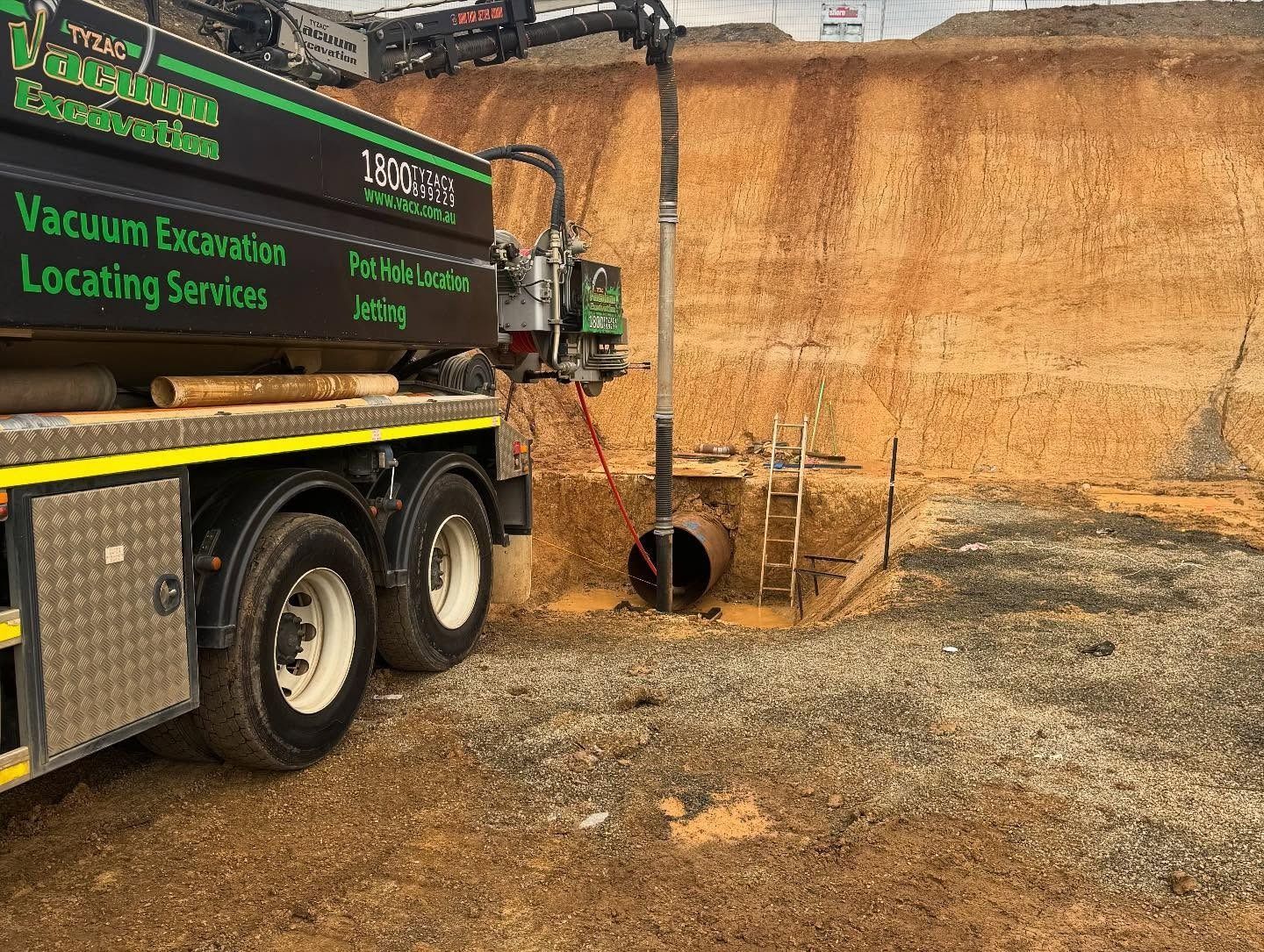
Truck With Vacuum Hose Excavating Near a Pipe — Tyzac Group in Beerwah, QLD
By Tyzac Group • November 25, 2025
Discover how vacuum excavation in Sunshine Coast boosts site safety by reducing underground risks and disruption. Learn more now.
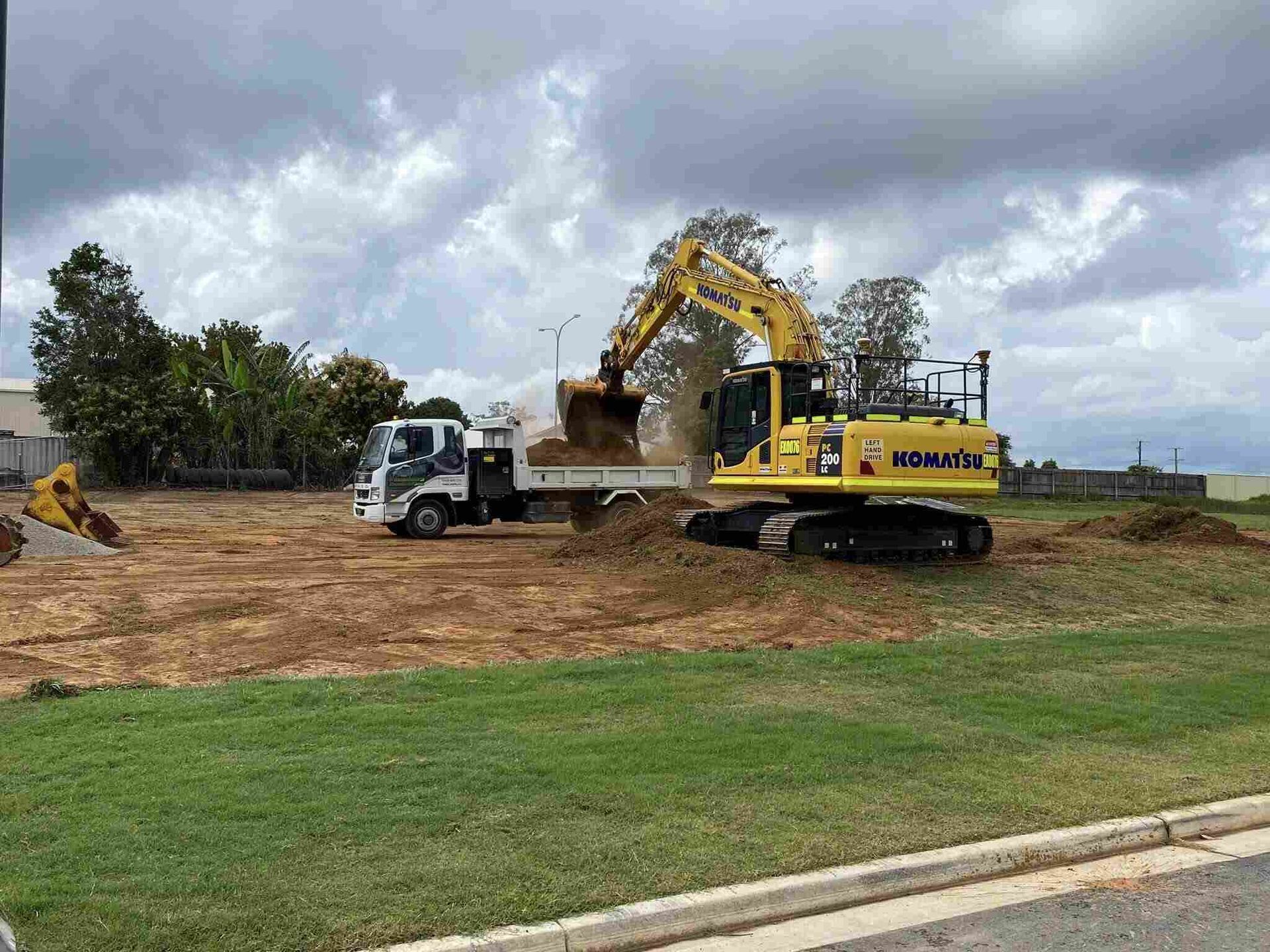
Excavator Loading Dirt Into a White Truck — Tyzac Group in Beerwah, QLD
By Tyzac Group • September 9, 2025
Avoid costly damage from poor digging. Choose safe and efficient Vacuum excavation Sunshine Coast solutions. Call today to protect your project.
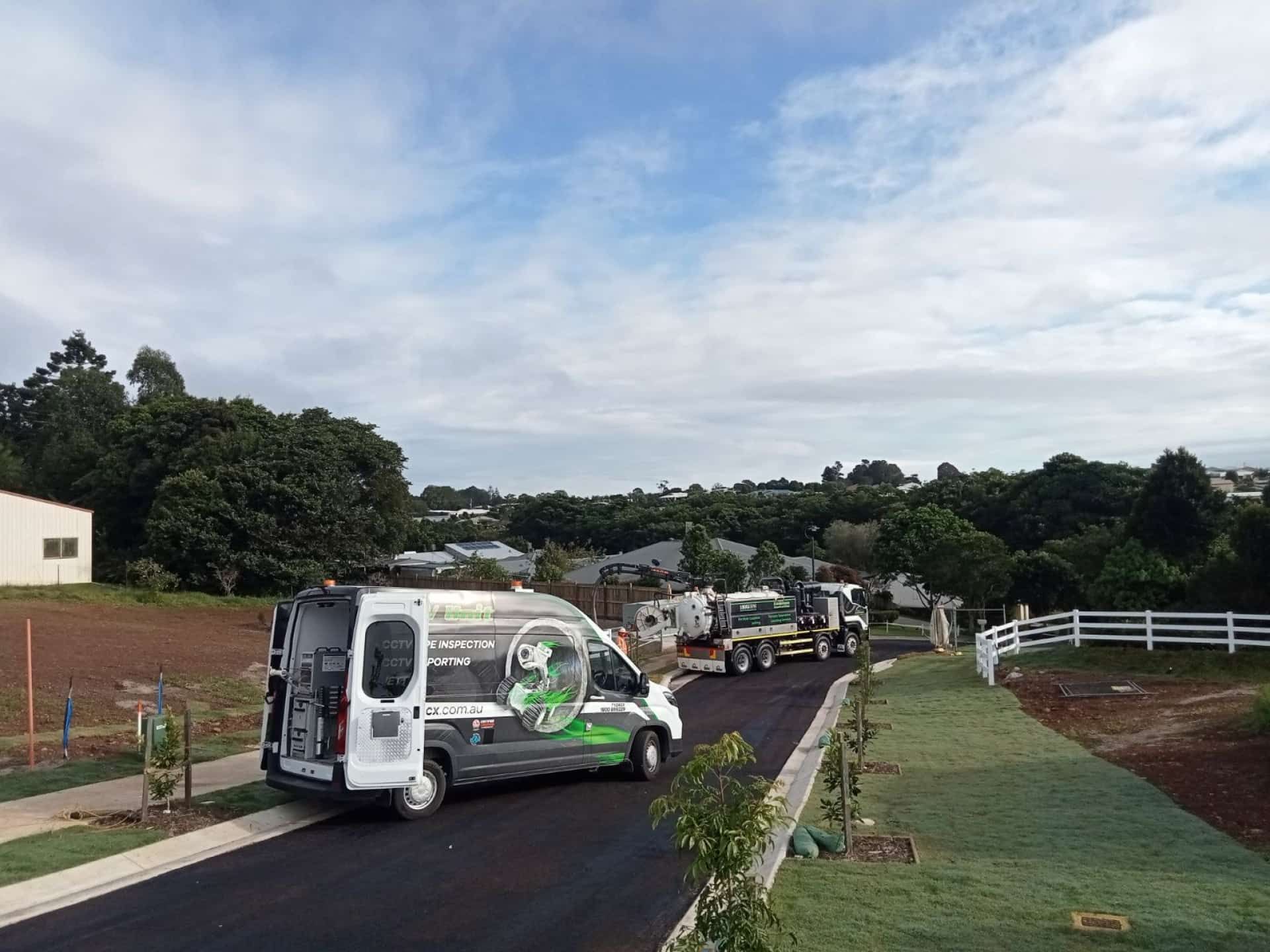
Van and Truck on a Paved Road, Approaching a Residential Area — Tyzac Group in Beerwah, QLD
By Tyzac Group • August 11, 2025
Ensure your plumbing stays in top condition with a CCTV Pipe Inspection in Sunshine Coast. Learn its benefits and protect your system today.
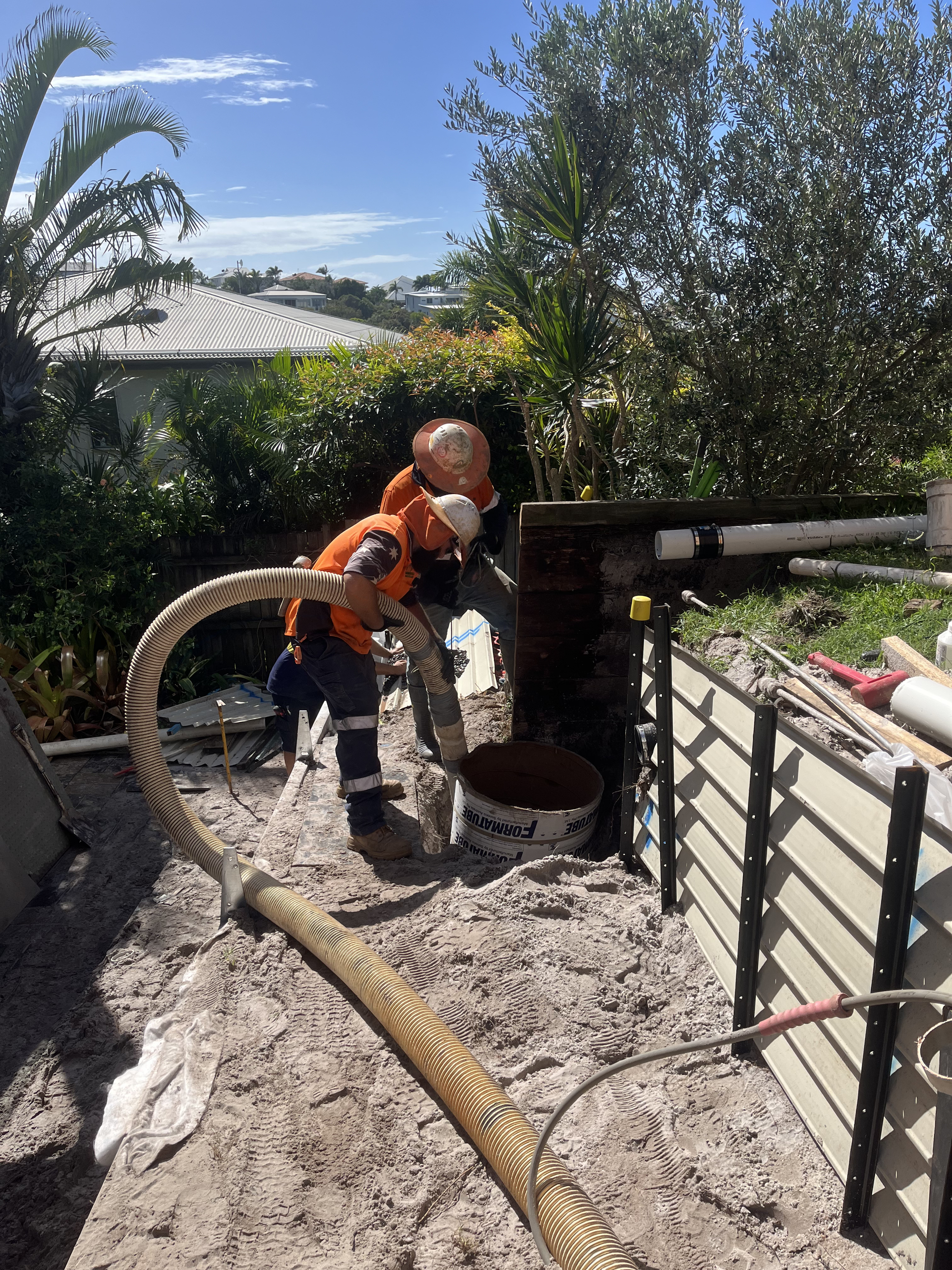
Two Workers in Orange Vests Use a Pump Hose to Fill a Bucket — Tyzac Group in Beerwah, QLD
By Tyzac Group • July 23, 2025
Maintain healthy drains with regular care. Stop clogs, odours, and pricey repairs before they start. Learn the key benefits—read more today!
Show More